








What's Happening?
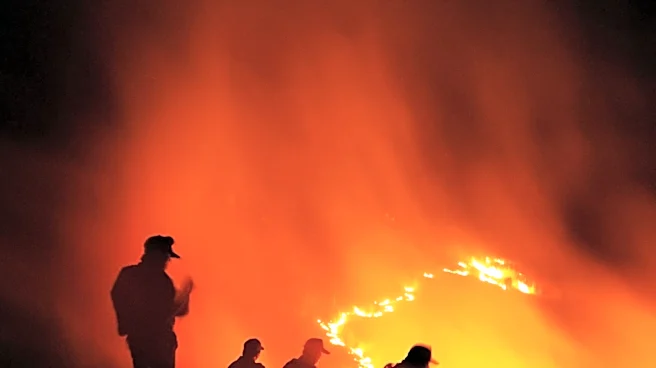
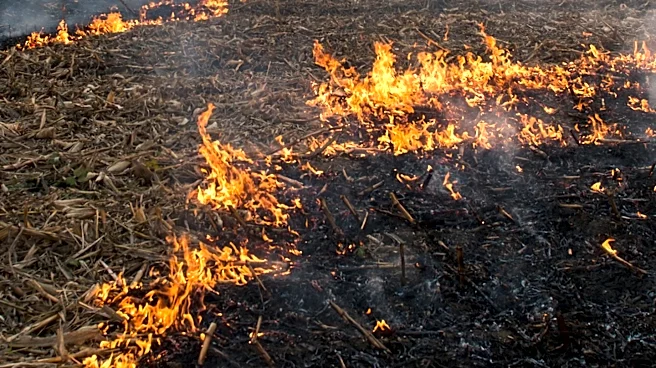
The McHenry County Conservation District is actively using prescribed burns as a vital tool for maintaining and restoring local prairies and woodlands. These controlled fires are essential for supporting native plant and wildlife species, as many of the
region's indigenous flora and fauna have evolved alongside periodic fires. Prescribed burns help remove accumulated dead plant material, known as duff, which allows sunlight and nutrients to reach the soil, promoting the growth of new native plants. The process also plays a crucial role in preserving the ecological balance and biodiversity of these habitats. The District updates a map daily to show completed and active burn locations, ensuring transparency and informing nearby residents about planned burns. Safety is a primary concern, with burns conducted by trained personnel under specific weather conditions and with established firebreaks to contain flames.
Why It's Important?
The use of prescribed burns by the McHenry County Conservation District is important for several ecological and environmental reasons. By mimicking natural fire cycles, these burns prevent the overgrowth of invasive species and reduce the risk of uncontrolled wildfires, which can be more destructive. The practice enriches the soil by returning nutrients from ash and warms the ground, encouraging rapid regrowth of native vegetation. This directly benefits local biodiversity by maintaining the specific conditions required for native plants and animals to thrive. For residents, these efforts contribute to healthier local ecosystems, which can improve air and water quality, and provide more robust natural spaces for recreation. The careful management of these burns also demonstrates a proactive approach to land stewardship, ensuring the long-term health and resilience of natural areas in McHenry County.
What's Next?
The McHenry County Conservation District will continue to implement prescribed burns as part of its ongoing land management strategy. The timing of these burns will remain critical, typically scheduled for early spring or late fall to minimize impact on wildlife during breeding seasons. The District will persist in notifying nearby residents and local emergency services prior to any planned burns, emphasizing safety and communication. Continuous monitoring of weather conditions and site factors will dictate the exact timing and location of future burns. The public can expect daily updates on the District's controlled burn map, indicating both completed and active burn sites. This sustained effort aims to progressively restore and maintain the ecological integrity of the region's prairies and woodlands, fostering a healthier environment for native species.
Beyond the Headlines
Beyond the immediate ecological benefits, the McHenry County Conservation District's commitment to prescribed burns highlights a broader shift in conservation philosophy towards active management rather than passive preservation. This approach acknowledges that many ecosystems are dynamic and require intervention to maintain their natural state, especially in landscapes altered by human activity. The practice also serves as an educational tool, demonstrating to the public the constructive role fire can play in nature, challenging common perceptions of fire as solely destructive. Ethically, it underscores a responsibility to restore natural processes that support biodiversity, recognizing the intrinsic value of native ecosystems. Legally, such practices are often governed by strict environmental regulations, requiring careful planning and execution to ensure public safety and ecological benefit, setting a precedent for responsible land management.