





What's Happening?
The Trump administration has intensified its efforts to combat 'birth tourism,' a practice where foreign nationals travel to the United States to give birth, thereby securing U.S. citizenship for their children. The State Department has announced a series
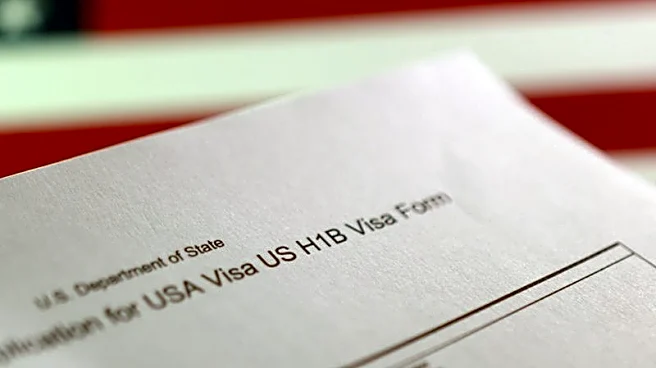
of enforcement actions aimed at dismantling networks that facilitate this practice. These actions include the revocation of visas and increased scrutiny of visa applicants suspected of misrepresenting their intentions during consular interviews. The crackdown is part of a broader immigration policy push that has also seen increased scrutiny of other visa programs, such as H-1B visas. The administration's actions are supported by Dr. John C. Eastman of The Claremont Institute, who argues that these measures are necessary to protect the integrity of U.S. citizenship. However, David Bier from the Cato Institute contends that the issue is minor and should not impact the broader debate on birthright citizenship.
Why It's Important?
This crackdown on birth tourism is significant as it reflects the Trump administration's broader immigration agenda, which aims to curb perceived abuses of the U.S. visa system. By targeting birth tourism, the administration seeks to address what it views as a misuse of the 14th Amendment's citizenship clause. The enforcement actions could have wide-reaching implications for international travel and immigration, potentially affecting diplomatic relations and the operations of businesses that facilitate such travel. Critics argue that the focus on birth tourism is disproportionate to its actual impact, as it represents a small fraction of births in the U.S. Nonetheless, the administration's actions underscore a commitment to tightening immigration controls and could influence future policy debates on citizenship and immigration reform.
What's Next?
The State Department's efforts to dismantle birth tourism networks are ongoing, with investigations continuing across multiple regions, including West Africa, Europe, and North Africa. The administration's actions may lead to further legal challenges, particularly concerning the interpretation of the 14th Amendment. As the crackdown progresses, it is likely to provoke reactions from both domestic and international stakeholders, including human rights organizations and foreign governments. The outcome of these efforts could shape future U.S. immigration policies and influence the global discourse on citizenship and immigration rights.