






What's Happening?
The U.S. Coast Guard has released a comprehensive review of risks to critical U.S. port infrastructure, prompted by the 2024 collapse of Baltimore’s Francis Scott Key Bridge. The inquiry, conducted by the Ports and Waterways Safety Act Board, found that
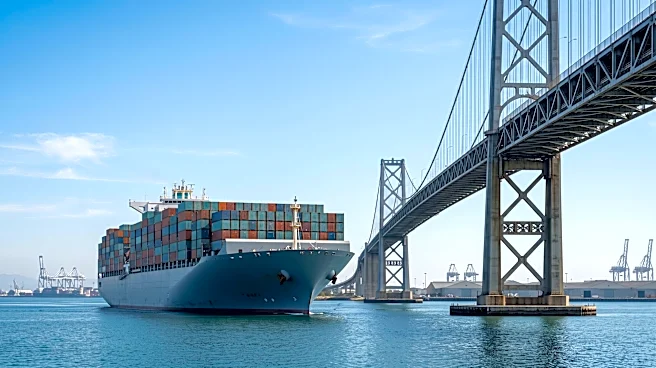
existing risk assessment tools are underutilized, even as commercial vessels continue to increase in size and port operations become more complex. The Board evaluated 11 port areas, including major hubs like Los Angeles/Long Beach, New York/New Jersey, and Houston/Galveston. A key finding was that deepwater channels and bridges are considered the most critical infrastructure by maritime stakeholders. Ports consistently reported handling larger commercial vessels than a decade ago, alongside increased commercial and recreational traffic. Bridge allisions were identified as the most common worst-case scenario in eight of the studied ports, with vessel collisions and major natural disasters also frequently cited. The report highlights a mismatch between aging infrastructure and modern shipping demands, noting that contemporary containerships often exceed the design specifications of many existing bridges.
Why It's Important?
This report is crucial because it underscores systemic vulnerabilities within the U.S. Marine Transportation System, impacting national security, economic stability, and public safety. The increasing size of commercial vessels, coupled with aging port infrastructure, creates a heightened risk of catastrophic incidents like the Key Bridge collapse. The underutilization of waterways risk assessment tools and the identified staffing deficit within the Coast Guard’s Waterways Management program (estimated at 31%) mean that potential hazards may not be adequately identified or mitigated. This situation could lead to further disruptions in supply chains, significant economic losses from port closures, and potential loss of life. The findings also highlight the need for substantial investment in infrastructure upgrades and improved risk management protocols to ensure the resilience and safety of U.S. ports, which are vital for domestic and international trade.
What's Next?
The U.S. Coast Guard is currently soliciting stakeholder comments on the inquiry's findings until February 28, 2027. These comments will inform the Commandant’s Final Action Memorandum, which is expected to be publicly released in August 2027. This memorandum will outline the specific actions the Coast Guard plans to take in response to the Board’s 20 recommendations. These recommendations include establishing a broader Coast Guard risk-management framework, regularly reviewing assessment tools, developing integrated data sources for maritime risk metrics, and improving training for waterways managers. Local port stakeholders have also suggested practical measures such as additional dredging, increased salvage and oil-spill response capacity, more tug capacity, enhanced bridge protection systems, and the installation of real-time environmental sensors. The implementation of these recommendations will likely involve significant policy changes, resource allocation, and collaboration among federal agencies, port authorities, and private industry.
Beyond the Headlines
The Coast Guard's report points to a deeper challenge beyond immediate safety concerns: the long-term sustainability and adaptability of U.S. maritime infrastructure in the face of evolving global shipping trends. The increasing scale of vessels reflects a broader economic drive for efficiency and capacity in global trade, which places immense pressure on existing infrastructure designed for a different era. This situation raises questions about the regulatory frameworks and investment strategies needed to keep pace with technological and commercial advancements in shipping. Furthermore, the report implicitly highlights the complex interplay between economic imperatives, environmental considerations, and national security interests in managing critical maritime assets. The call for better collaboration and a more coordinated governance structure suggests a need for a holistic approach to maritime risk management, moving beyond siloed operations to create a more resilient and integrated national port system.