




What's Happening?
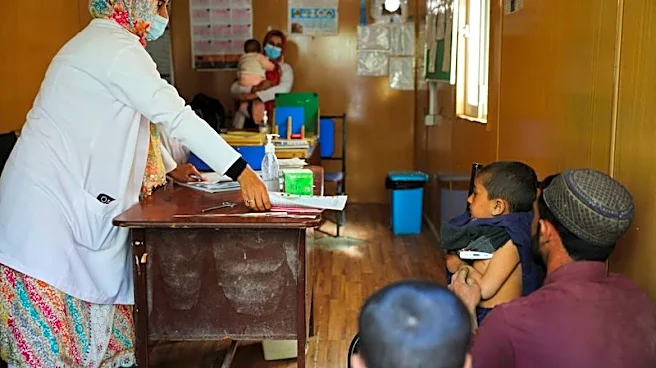
More than 1.3 million Afghans have returned to Afghanistan from neighboring Iran and Pakistan so far in 2026, according to the International Organization for Migration (IOM). Mihyung Park, IOM's Chief of Mission in Afghanistan, stated that these returning
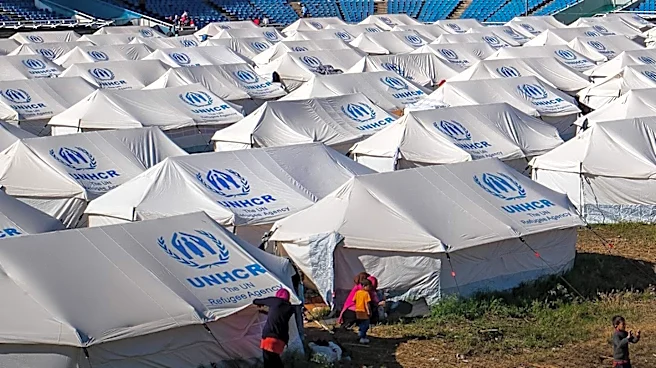
families are placing immense pressure on communities already struggling with limited housing and basic services. With winter approaching, the situation is becoming critical, necessitating urgent funding to provide shelter and warmth before snow isolates remote areas. The IOM is appealing for $8.8 million to cover an inter-agency funding gap, which would be used to deliver emergency shelter, winterization kits, and essential household items to vulnerable communities, internally displaced people, and recent returnees.
Why It's Important?
The large-scale return of over 1.3 million Afghans in 2026 significantly exacerbates existing humanitarian challenges within Afghanistan. This influx strains already fragile infrastructure and limited resources, particularly in areas where basic services are scarce. The impending winter season introduces a severe and immediate threat, as many returnees lack adequate shelter and protection against harsh weather conditions. The IOM's appeal for $8.8 million highlights a critical funding shortfall that, if not met, could lead to widespread suffering and loss of life among vulnerable populations. The situation underscores the ongoing humanitarian crisis in Afghanistan and the urgent need for international support to prevent a further deterioration of living conditions for millions.
What's Next?
The immediate focus is on securing the $8.8 million in funding requested by the IOM to address the urgent needs of returning Afghans before winter sets in. This funding is crucial for providing emergency shelter, winterization kits, and essential household items. Without this support, vulnerable communities, internally displaced persons, and recent returnees face severe risks from the cold and isolation. International donors and humanitarian organizations will need to respond swiftly to prevent a deepening crisis. The long-term implications involve continued efforts to integrate these returnees into communities, which will require sustained support for housing, basic services, and economic opportunities to alleviate the strain on Afghanistan's already stretched resources.
Beyond the Headlines
The mass return of Afghans from neighboring countries reflects complex regional dynamics and the ongoing instability within Afghanistan. This movement is not merely a humanitarian issue but also has significant socio-economic and political dimensions. The strain on resources in Afghanistan could lead to increased internal displacement and potential social unrest. Furthermore, the situation highlights the interconnectedness of regional stability, as neighboring countries grapple with large refugee populations and the implications of their return. The IOM's efforts to provide aid are critical, but the underlying causes of displacement and the challenges of reintegration require comprehensive, long-term strategies involving international cooperation and sustainable development initiatives to build resilient communities.