





What's Happening?
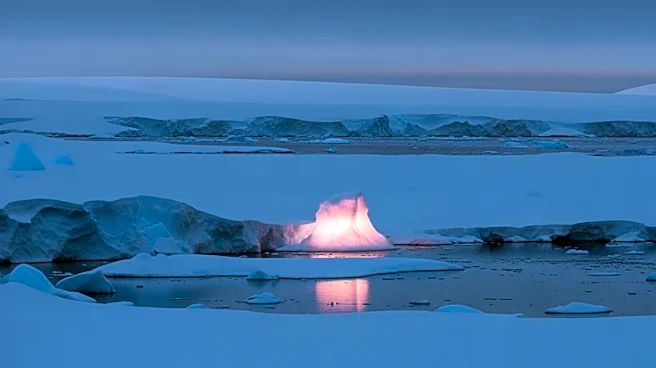
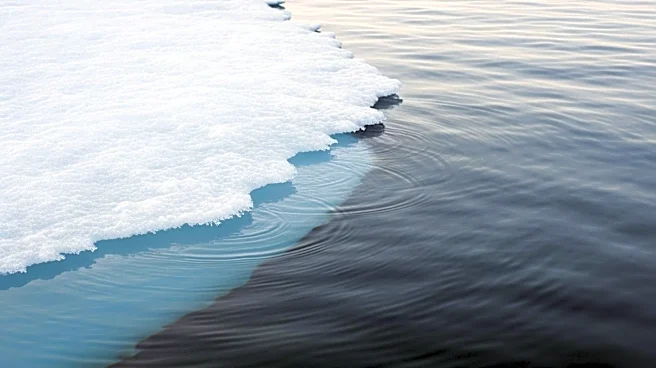
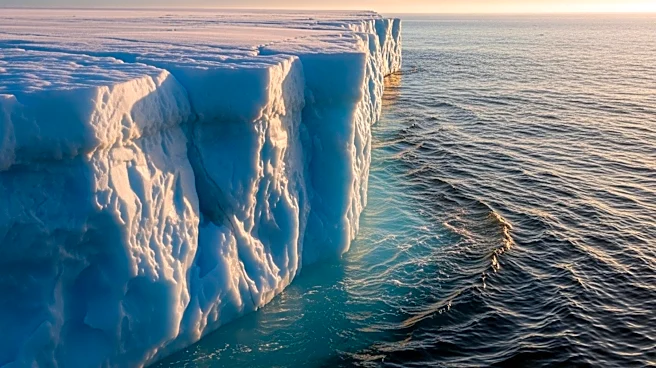
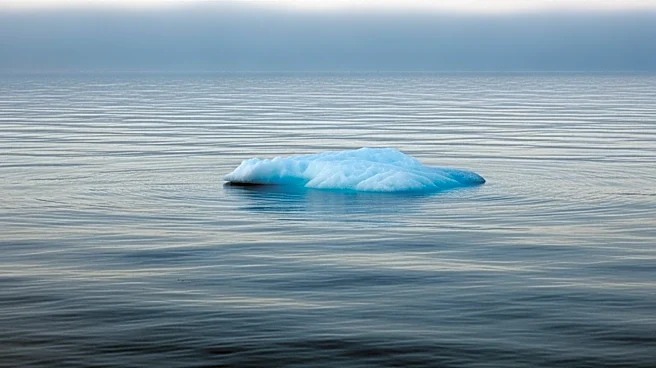
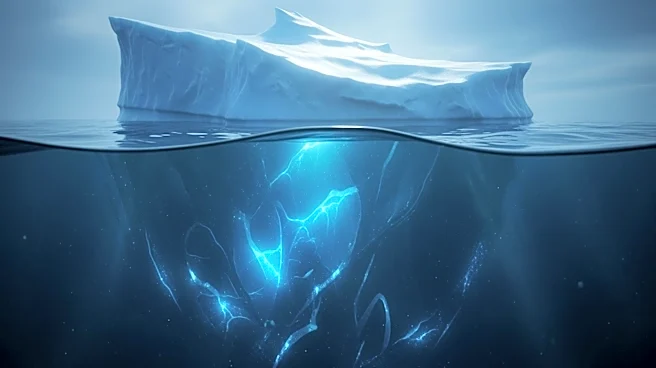
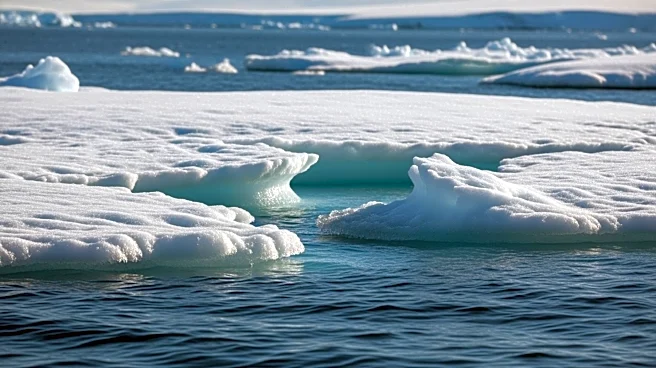
A massive iceberg, designated A-84, has detached from the George VI Ice Shelf in Antarctica, revealing a previously hidden marine ecosystem. This event, which occurred on January 13, 2025, exposed approximately 510 square kilometers of seafloor, an area
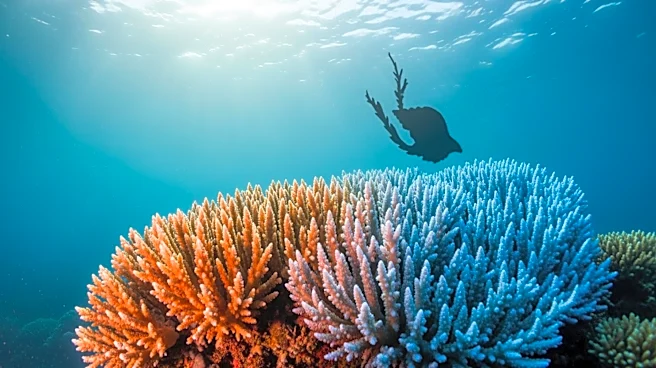
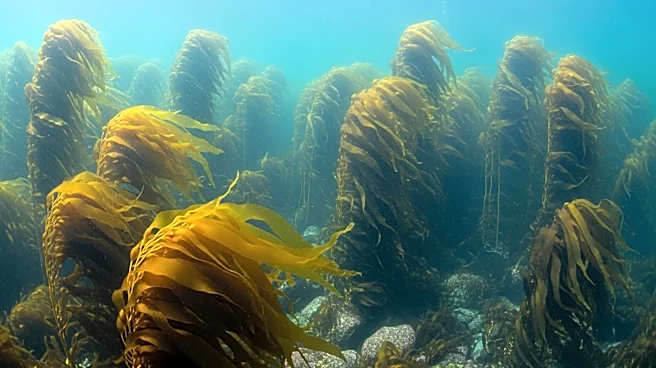
comparable to a large city. Researchers aboard the R/V Falkor (too) quickly redirected their mission to explore this newly accessible region. Utilizing the remotely operated vehicle SuBastian, they investigated depths reaching 1,300 meters, capturing unprecedented footage of a vibrant underwater world. Contrary to expectations of a barren seabed, the team discovered a dense ecosystem featuring sponges, corals, icefish, octopuses, giant sea spiders, and a remarkable phantom jellyfish with arms extending over 10 meters. The presence of these organisms suggests that the ecosystem has been thriving for decades, possibly centuries, despite being cut off from sunlight and typical food sources.
Why It's Important?
This discovery is significant as it challenges existing assumptions about life in extreme environments, particularly those isolated from sunlight. The thriving ecosystem under the iceberg suggests that ocean currents and glacial meltwater may provide essential nutrients, supporting a diverse range of species. This finding has implications for understanding how life can sustain itself in harsh conditions, potentially offering insights into similar environments elsewhere in the solar system. Additionally, the research contributes to the broader understanding of Antarctica's role in global sea level rise. By studying the exposed seafloor and surrounding waters, scientists aim to improve projections of future changes in sea levels, which are critical for coastal planning and climate change mitigation efforts.
What's Next?
The ongoing research will focus on further analyzing the data collected from the newly exposed ecosystem. Scientists will continue to study the species discovered, some of which may be previously unknown to science. The findings will be integrated into the Challenger 150 program, which aims to enhance understanding of ocean conditions and their changes over time. This research will also contribute to global efforts to monitor and predict the impacts of climate change, particularly in relation to sea level rise. The scientific community and policymakers will likely use this information to inform strategies for environmental conservation and climate adaptation.
Beyond the Headlines
The discovery of a thriving ecosystem beneath the Antarctic ice raises questions about the resilience of life in extreme environments. It highlights the potential for undiscovered biodiversity in other isolated regions of the world. This finding also underscores the importance of protecting these unique ecosystems from human activities and climate change. The research may inspire further exploration of other ice-covered regions, both on Earth and in space, to uncover hidden ecosystems and understand their ecological significance. Additionally, the study of these environments could provide valuable insights into the origins of life and the potential for life on other planets.