



What's Happening?
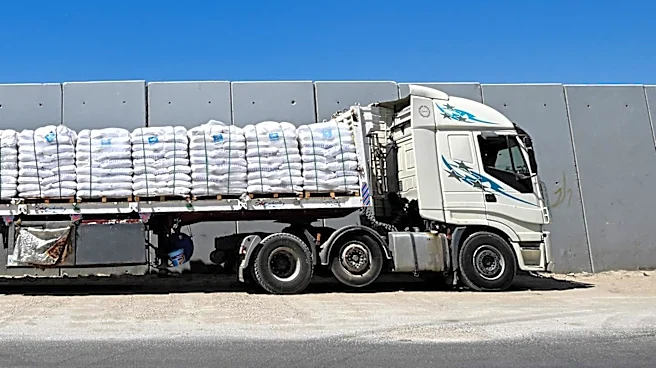
The United Nations has been attempting to mediate peace in Sudan, a country embroiled in a severe civil war since 2023. The conflict, primarily between the Sudanese Armed Forces (SAF) and the Rapid Support Forces (RSF), has resulted in significant humanitarian
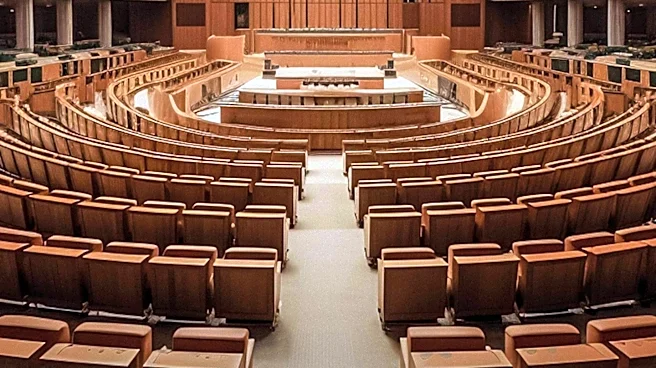
crises, including mass displacement and food insecurity. Despite efforts by the UN and regional bodies like the African Union (AU) and the Intergovernmental Authority on Development (IGAD), peace initiatives have largely failed. The deadlock in the UN Security Council (UNSC) has shifted the burden to these regional organizations, which have also struggled to implement effective ceasefires or humanitarian corridors. The conflict is further complicated by the strategic interests of Egypt and the UAE, which support different factions, leading to a 'neutrality trap' where international resolutions lack enforcement.
Why It's Important?
The ongoing conflict in Sudan highlights the limitations of international governance structures like the UN when faced with competing national interests. The inability to enforce peace measures has exacerbated the humanitarian crisis, affecting millions of Sudanese citizens. The situation underscores the challenges of multilateral diplomacy in conflicts where regional powers have vested interests. Egypt's support for the SAF is driven by concerns over Nile water security, while the UAE's involvement with the RSF is linked to economic interests, particularly in Sudan's gold resources. This proxy competition has transformed Sudan from a civil war into a regional conflict, complicating international efforts to broker peace.
What's Next?
Future peace efforts in Sudan will likely require a more localized approach, with increased support for Sudan's Emergency Response Rooms, which have been effective in reaching vulnerable populations. Additionally, targeted financial sanctions against illicit gold networks could be pursued by coalitions of willing states. Any sustainable peace process must engage Egypt and the UAE, aligning their strategic interests with humanitarian objectives. Without addressing these regional dynamics, international mediation efforts may continue to falter.
Beyond the Headlines
The Sudan crisis illustrates the broader issue of how global governance can be undermined by regional proxy wars. The conflict reveals the limitations of international organizations like the UN when member states prioritize short-term strategic interests over long-term cooperation. This situation could serve as a case study for future conflicts, emphasizing the need for reforms in international mediation processes to better handle proxy dynamics and ensure effective enforcement of peace measures.