



What's Happening?
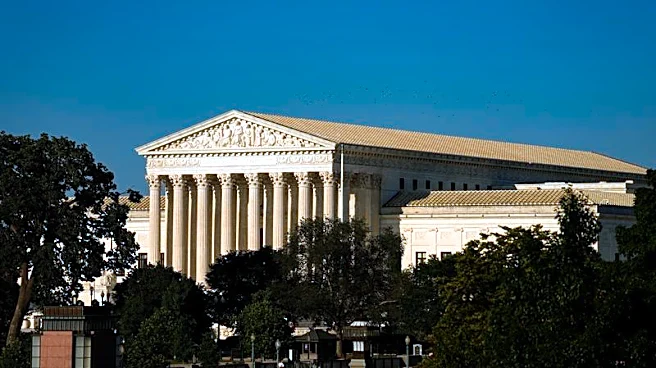
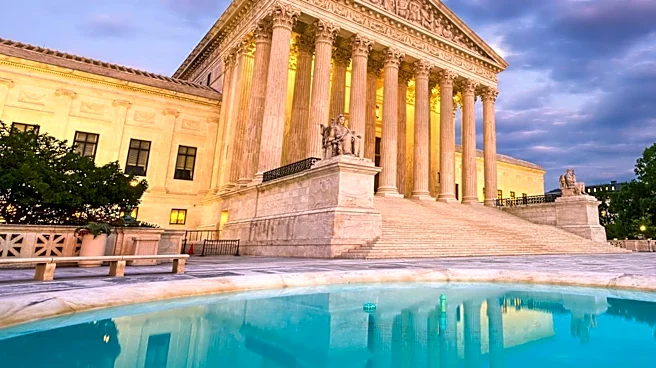
The U.S. Supreme Court's recent decision in Trump v. Slaughter has significantly altered the independence of the U.S. Nuclear Regulatory Commission (NRC) by placing it under direct presidential control. This ruling overturned the precedent set by Humphrey’s
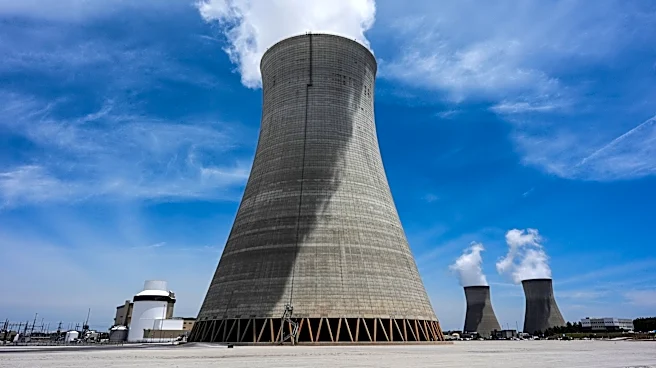
Executor v. United States, which had previously insulated agencies like the NRC from presidential influence. The decision has sparked concerns about the potential impact on nuclear safety, as the NRC is now subject to the President's directives without the structural independence it once had. Justice Neil Gorsuch, part of the majority, acknowledged the challenges this poses, suggesting that the judiciary has tools to maintain checks on executive power. However, the ruling has left the NRC, already overwhelmed by technological advancements and regulatory changes, more vulnerable to political pressures, particularly in the licensing of advanced nuclear reactors.
Why It's Important?
The Supreme Court's decision to remove the NRC's independence could have significant implications for nuclear safety in the United States. By subjecting the NRC to direct presidential control, the ruling increases the risk of political influence over nuclear safety regulations, potentially compromising public health and safety. This change comes at a time when the NRC is already facing challenges due to rapid technological advancements in the nuclear industry. The decision could lead to faster licensing processes that may not adequately consider safety, increasing the likelihood of nuclear incidents. The ruling also highlights broader concerns about the balance of power between the executive branch and independent regulatory agencies, raising questions about the future of agency independence in the U.S.
What's Next?
In response to the Supreme Court's decision, various stakeholders, including the NRC, the nuclear industry, and Congress, may need to take steps to mitigate the increased risks to nuclear safety. The NRC will need to navigate its new role as an executive agency while maintaining its statutory responsibilities. The nuclear industry may need to adopt more rigorous safety practices independently, as it can no longer rely solely on the NRC for oversight. Congress could play a role by clarifying the NRC's statutory mandates and increasing oversight to ensure the agency fulfills its safety obligations. These actions will be crucial in maintaining nuclear safety standards and preventing potential disasters.
Beyond the Headlines
The Supreme Court's decision reflects a broader trend of diminishing the independence of regulatory agencies, which could have long-term implications for governance in the U.S. The ruling may set a precedent for further erosion of agency independence, affecting not only nuclear safety but also other areas of public policy. This shift could lead to increased political influence over regulatory decisions, potentially undermining the effectiveness and credibility of agencies tasked with protecting public interests. The decision also raises ethical and legal questions about the appropriate balance of power between the executive branch and independent agencies, which may prompt further legal and legislative debates.