






What's Happening?
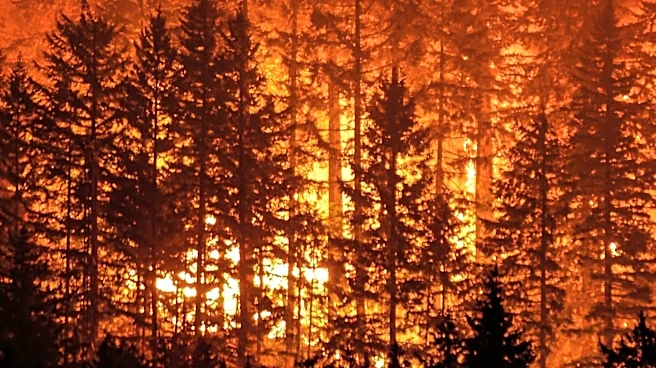
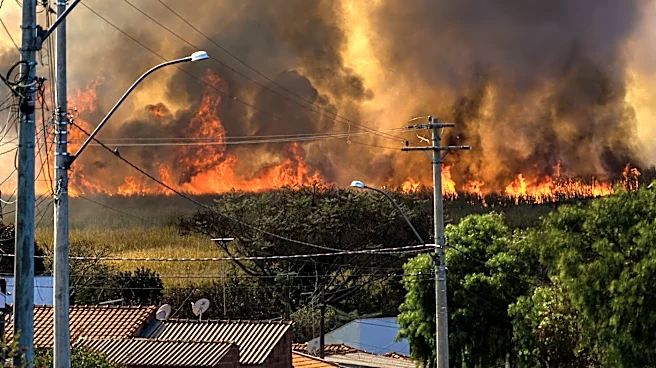
Canada is experiencing one of its most intense wildfire seasons on record, with nearly 34,000 lightning strikes in the past week igniting numerous fires in British Columbia. As of Friday, there are 90 active wildfires in the province, prompting 25 evacuation
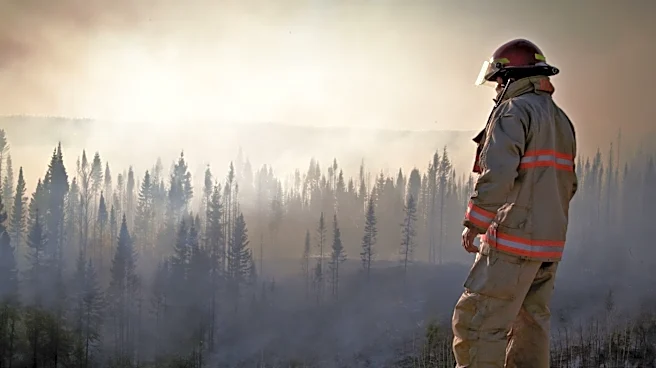
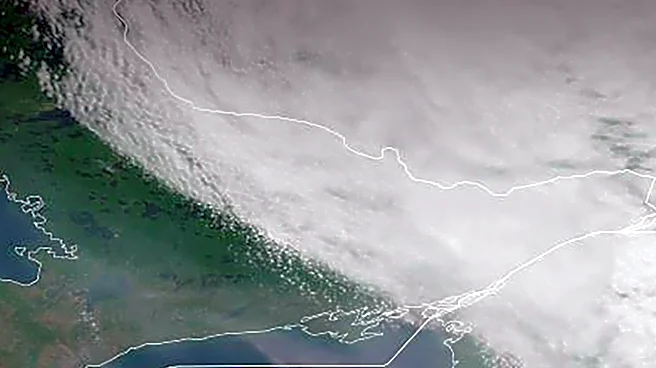
orders. The fires, fueled by intense heat and lightning storms, have also affected Ontario, where 139 wildfires are active, with 32 not under control. Smoke from these fires has drifted across the U.S., affecting air quality in major cities on the East Coast and Midwest. Environment Canada has issued air quality alerts for areas in Alberta, although conditions are expected to improve over the weekend. The Canadian government is mobilizing over 5,300 firefighters and 300 aircraft to combat the fires, with additional support from Mexico.
Why It's Important?
The wildfires in Canada have significant implications for both Canada and the U.S. The smoke affecting air quality in U.S. cities highlights the transboundary nature of environmental issues, emphasizing the need for international cooperation in addressing climate-related challenges. The fires also pose a threat to public health, as poor air quality can exacerbate respiratory conditions. Economically, the fires could impact industries reliant on Canadian resources, such as timber. The situation underscores the broader impacts of climate change, as rising temperatures contribute to more frequent and severe wildfires.
What's Next?
Efforts to control the wildfires will continue, with Canadian authorities deploying additional resources and international assistance. The focus will be on preventing further spread and minimizing damage to communities and ecosystems. In the U.S., monitoring air quality and issuing health advisories will be crucial to protect public health. The situation may prompt discussions on climate policy and cross-border environmental cooperation.