
What's Happening?
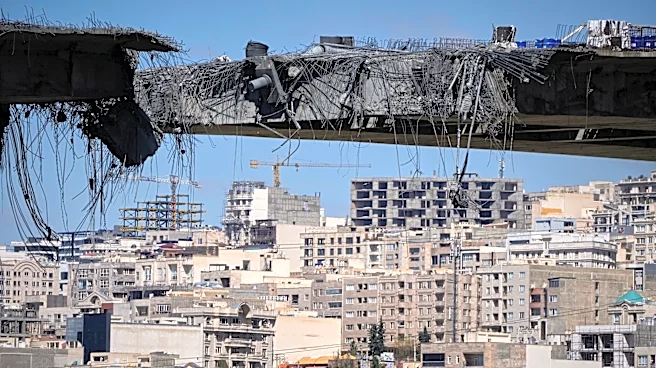
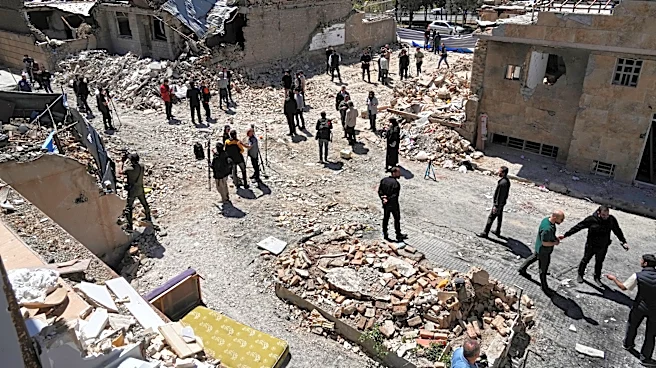
The Israeli security cabinet is on high alert as President Trump's deadline for Iran to reopen the Strait of Hormuz approaches. Israeli officials are preparing for a possible escalation in the conflict with Iran, which could involve strikes on Iranian
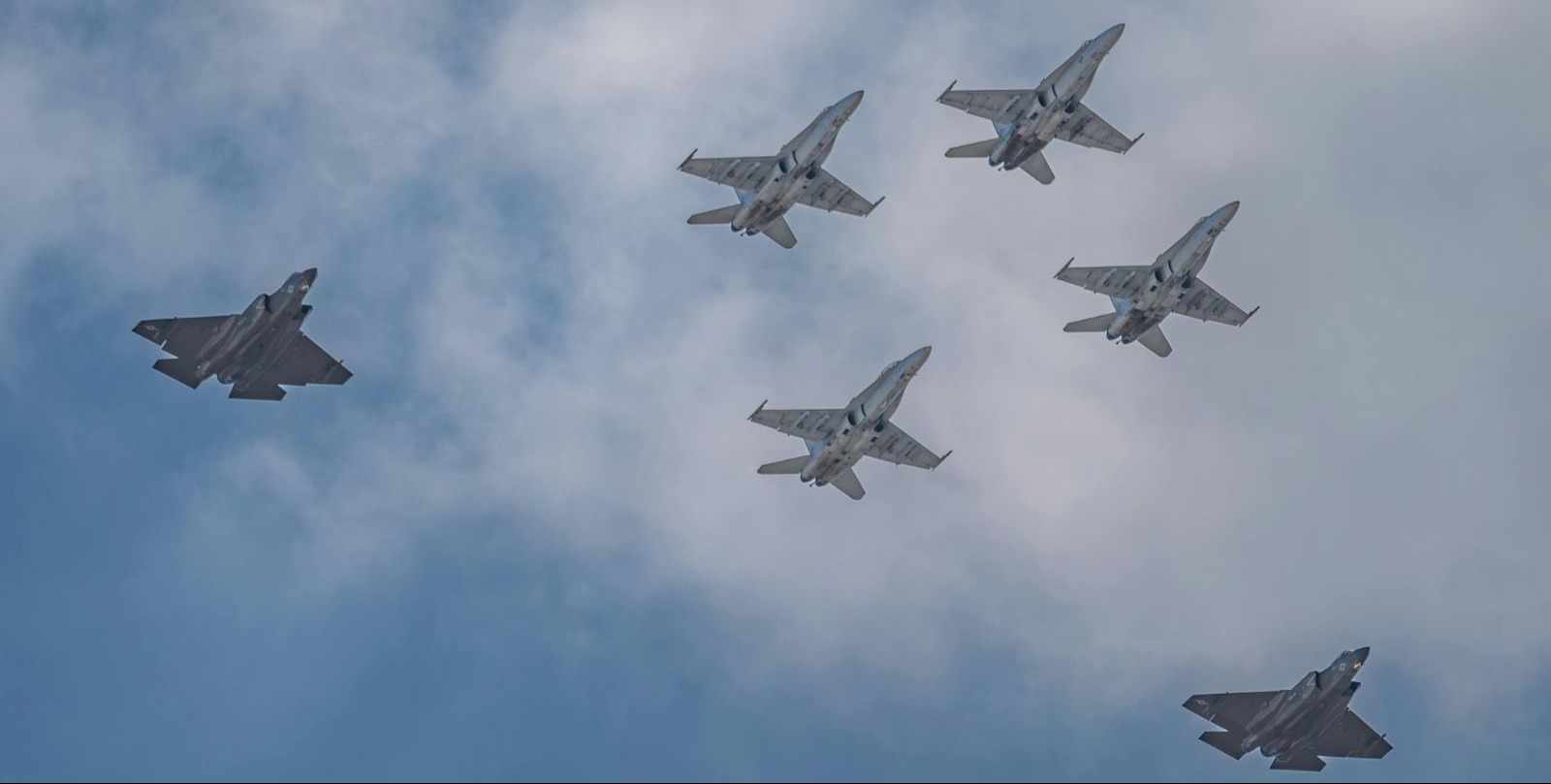
energy and infrastructure targets if diplomatic efforts fail. The deadline set by President Trump is expected to mark a significant turning point, potentially leading to broader military actions. Israeli officials are coordinating with U.S. Central Command to identify potential targets, while diplomatic efforts by countries like Egypt, Pakistan, and Turkey are ongoing to prevent further escalation. However, there is skepticism about the success of these diplomatic efforts, as Iran has so far rejected proposals for a ceasefire.
Why It's Important?
The situation is critical as the Strait of Hormuz is a vital oil chokepoint, and any conflict could have significant implications for global energy markets. An escalation could lead to prolonged military engagement, affecting regional stability and potentially involving U.S. ground forces. The Israeli defense establishment is concerned about the potential for retaliatory attacks by Iran on Israeli and Gulf infrastructure. The outcome of this standoff could influence U.S. foreign policy and military strategy in the Middle East, as well as impact global oil prices and economic stability.
What's Next?
Israeli officials are awaiting President Trump's decision, which will determine the next steps in the conflict. If the deadline passes without a diplomatic resolution, military actions are likely to follow, potentially leading to a prolonged conflict. The international community will be closely monitoring the situation, with further diplomatic efforts expected to continue in an attempt to de-escalate tensions. The potential for U.S. ground involvement in Iran remains a possibility, depending on the developments in the coming days.