







What's Happening?
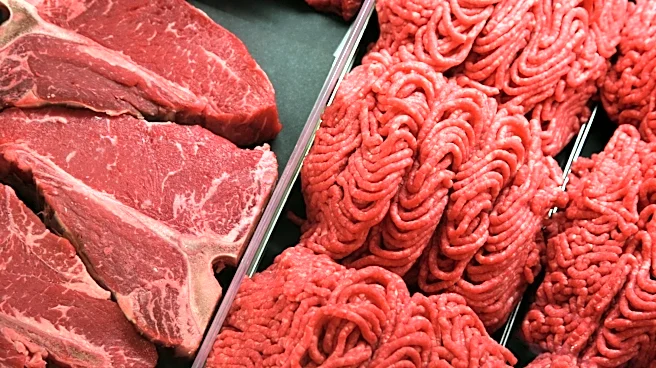
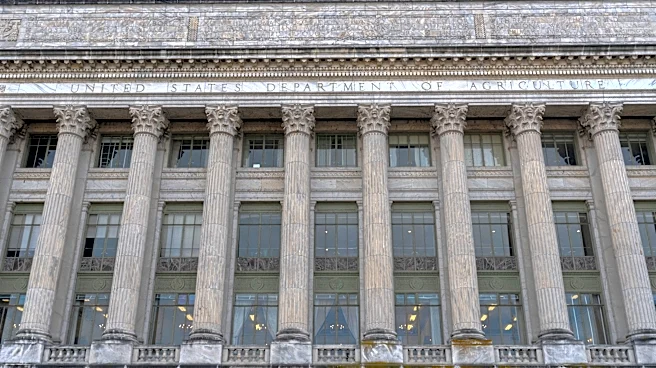
The U.S. Department of Agriculture (USDA) has announced a recall of more than 167,000 pounds of raw pork, beef, and goat products nationwide. The recall was initiated because the meat, produced by Star Meat Delivery Inc. of Lucama, North Carolina, was processed
without proper federal inspection and bore falsified USDA inspection stickers. The USDA's Food Safety and Inspection Service (FSIS) discovered the issue during routine checks. The products were shipped to A&D Foods, a Georgia distributor, for distribution to retail and restaurant locations across the country. The USDA has classified this as a Class I recall, indicating a high health risk, as food produced without inspection may contain undeclared allergens, harmful bacteria, or other contaminants. While no illnesses or injuries have been reported, consumers are advised to discard or return the affected products. Star Meat Delivery Inc. has stated that the establishment number in question was legitimately reserved as part of their USDA application process, which is still underway, and that the meat was sourced from a USDA-inspected supplier.
Why It's Important?
This recall highlights critical vulnerabilities in the food supply chain and the importance of stringent federal oversight in ensuring public health and safety. The distribution of over 83 tons of uninspected meat with false labels poses a significant risk of foodborne illnesses and allergic reactions to consumers nationwide. The incident underscores the necessity of the USDA's inspection process, which is designed to prevent contaminated or misbranded products from reaching the market. For businesses, this event serves as a stark reminder of the legal and reputational consequences of non-compliance with federal regulations. The potential for widespread health issues, even if none have been reported yet, can erode consumer trust in food safety standards and impact the entire meat industry. The fact that the problem was discovered through routine checks demonstrates the effectiveness of existing regulatory mechanisms, but also points to the potential for companies to attempt to bypass these crucial safeguards.
What's Next?
The USDA's investigation into Star Meat Delivery Inc. is ongoing, and the agency has indicated that the total amount of recalled meat could increase. Consumers who have purchased raw pork, beef, or goat products from Star Meat Delivery Inc. are advised to check for the establishment number 'EST. 1363' on the packaging, although the USDA warns that some retail stores may have applied their own stickers, obscuring the original labeling. The USDA will continue to monitor the situation and provide updates as the investigation progresses. It remains unclear whether any arrests or criminal charges will be filed in connection with the falsified inspection stickers. Star Meat Delivery Inc. has stated its full cooperation with authorities to finalize its application for federal approval and is following recall procedures. This incident may lead to increased scrutiny of meat processing facilities and potentially stricter enforcement of inspection protocols to prevent similar occurrences in the future.
Beyond the Headlines
This recall extends beyond immediate food safety concerns, touching upon the ethical responsibilities of food producers and the integrity of regulatory systems. The alleged falsification of USDA inspection labels represents a deliberate attempt to circumvent public health safeguards, raising questions about corporate accountability and the potential for fraudulent practices within the food industry. Such incidents can have long-term implications for consumer confidence, potentially leading to increased skepticism about food labeling and origin. From a broader perspective, this event underscores the constant tension between regulatory compliance and business pressures, particularly for smaller or newer companies seeking to enter the market. The case also highlights the challenges faced by regulatory bodies in monitoring a vast and complex food supply chain, emphasizing the need for continuous vigilance and robust enforcement mechanisms to protect public health and maintain trust in the food system.