



What's Happening?
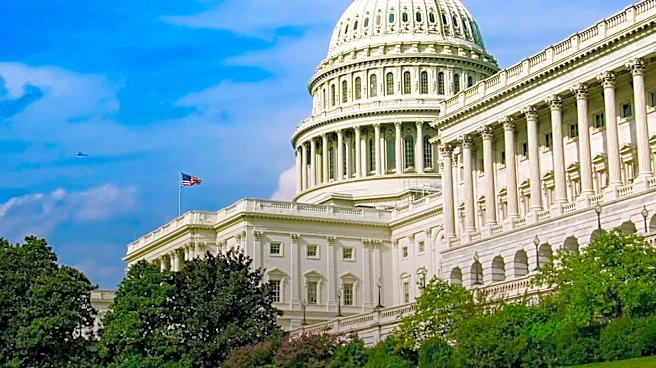
The Rhode Island Congressional Delegation, including Senators Jack Reed and Sheldon Whitehouse, and Congressmen Gabe Amo and Seth Magaziner, announced $1.71 million in federal funding through the Nonprofit Security Grant Program (NSGP). This funding is designated
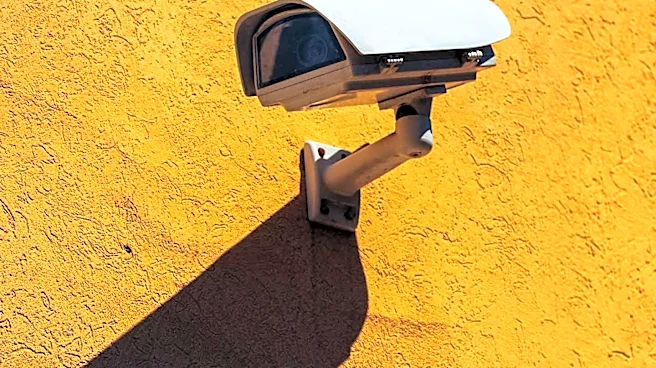
to protect Rhode Island nonprofits and religious institutions from public safety threats. The federal funds, awarded by the Department of Homeland Security (DHS) and administered by the Rhode Island Emergency Management Agency (RIEMA), aim to help at-risk organizations enhance their security infrastructure, training, and systems. This includes the purchase and installation of security technology such as locks, video cameras, and bulletproof glass. Congressman Seth Magaziner, a member of the House Homeland Security Committee, emphasized the importance of these resources for community safety. Senator Jack Reed highlighted the rise in threats against diverse religious and racial groups, calling the funding an investment in protecting vulnerable communities from targeted attacks. Senator Sheldon Whitehouse reiterated the delegation's commitment to ensuring Rhode Islanders can practice their faith safely.
Why It's Important?
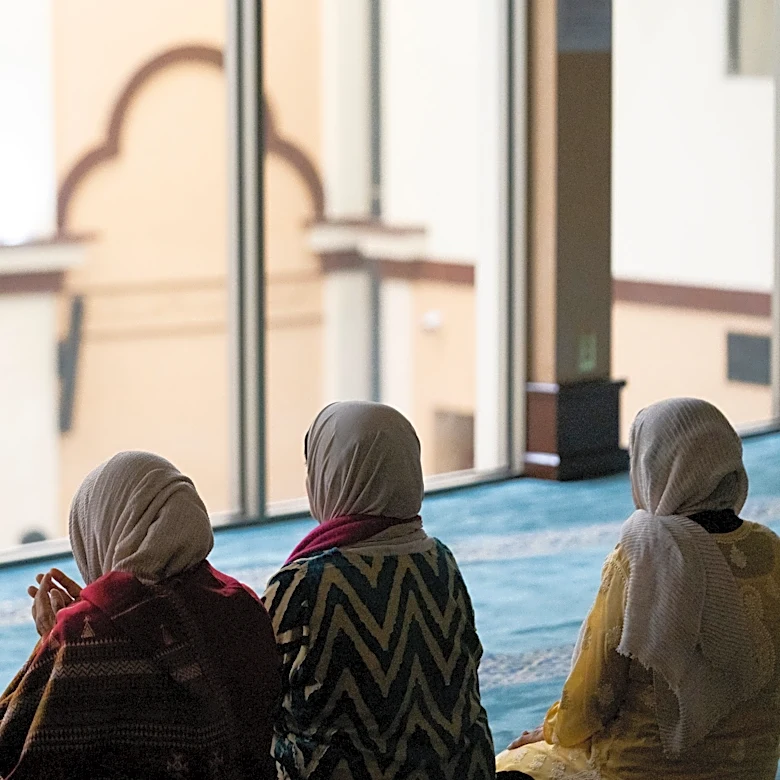
This federal funding is crucial for enhancing the safety and security of vulnerable nonprofit organizations and places of worship across Rhode Island. In an era marked by increasing threats of violence and hate crimes, particularly against religious and racial minorities, these grants provide essential resources to deter potential attacks and protect community members. The ability for organizations to invest in physical security measures like advanced locks, surveillance systems, and reinforced structures can significantly reduce their vulnerability. Beyond physical protection, the funding also supports training, which empowers staff and congregants to respond effectively to security incidents. This initiative underscores a broader national effort to safeguard civil liberties and ensure that individuals can gather, worship, and learn without fear. The allocation of these funds reflects a recognition by federal and state authorities of the persistent security challenges faced by these institutions and the need for proactive measures to counter them, thereby fostering a more secure and inclusive society.
What's Next?
The $1.71 million in federal funding will be administered by the Rhode Island Emergency Management Agency (RIEMA) to eligible nonprofits and religious institutions. These organizations will likely begin the process of applying for and utilizing these grants to implement security upgrades and training programs. The Rhode Island Congressional Delegation, particularly Congressman Gabe Amo, has indicated ongoing efforts to increase NSGP funding at the federal level. Amo has led bipartisan initiatives requesting significantly higher allocations for the NSGP for Fiscal Years 2026 and 2027, aiming for $500 million and $1 billion respectively. This suggests a continued push for greater federal investment in nonprofit security nationwide. Furthermore, the delegation will likely continue to advocate against any efforts to delay NSGP funding or impose burdensome compliance requirements that could hinder organizations from accessing these critical resources. The success of this initial funding round in Rhode Island could serve as a model for other states and reinforce the argument for increased national funding.
Beyond the Headlines
The provision of federal security grants to nonprofits and places of worship touches upon deeper societal implications beyond immediate physical protection. It highlights the growing concern over domestic extremism and hate-motivated violence targeting specific communities, particularly those based on religion or race. The need for such programs reflects a shift in how public safety is perceived, extending beyond traditional law enforcement to include proactive measures for vulnerable private institutions. This funding also raises questions about the balance between government support for security and the autonomy of religious and nonprofit organizations. While crucial for safety, it also underscores a potential long-term trend where such institutions may become increasingly reliant on federal aid for basic security needs. The emphasis on protecting diverse communities also reinforces the principle of religious freedom and the right to assemble safely, which are foundational aspects of American society. The ongoing advocacy for increased funding suggests that this issue is not a temporary concern but a persistent challenge requiring sustained attention and resources.