






What's Happening?
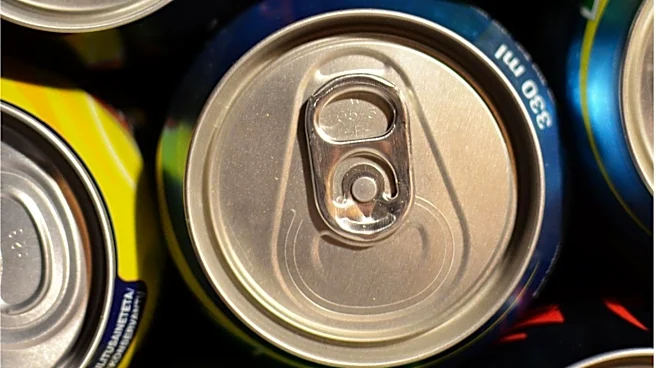
A new report indicates a significant increase in caffeine-related emergency department visits among U.S. children aged 11 to 18, with numbers doubling between 2017 and 2024. Additionally, U.S. poison control centers recorded nearly 2,700 energy drink-related
calls involving individuals aged 19 and under in 2023. The Centers for Disease Control and Prevention (CDC) reported that almost 63% of youth consumed caffeine daily between August 2021 and August 2023, with intake rising with age. Approximately one-third of those aged 12 to 17 regularly consume energy drinks. The report highlights that caffeine can mask the effects of alcohol, leading to higher rates of binge drinking, impaired driving, and alcohol-related injuries among college students who mix alcohol with energy drinks. While the U.S. Food and Drug Administration (FDA) suggests 400 milligrams of caffeine daily is generally safe for healthy adults, many energy drinks contain significantly higher amounts, and not all caffeine sources are required to be listed on labels.
Why It's Important?
This trend is critical for public health in the U.S., particularly concerning the well-being of adolescents and young adults. The doubling of emergency room visits and the high volume of poison control calls underscore a growing health crisis linked to caffeine overconsumption in this demographic. The masking effect of caffeine on alcohol intoxication presents a serious public safety issue, potentially increasing incidents of impaired driving and alcohol-related harm. The lack of comprehensive labeling requirements for natural caffeine in products further complicates consumer awareness, making it difficult for parents and young people to monitor their intake effectively. This situation could lead to long-term health consequences, including cardiovascular issues, sleep disturbances, and anxiety, impacting academic performance and overall development. The report suggests a need for increased awareness and potentially stricter regulations to protect younger consumers from the adverse effects of high-caffeine products.
What's Next?
The findings suggest a potential push for enhanced educational campaigns targeting youth, parents, and educators about the risks associated with high caffeine intake, especially from energy drinks. There may be increased scrutiny on the marketing practices of energy drink companies, particularly those that appeal to younger consumers. Policymakers might consider implementing stricter regulations on the sale and labeling of energy drinks, potentially including age restrictions or mandatory warning labels that clearly state caffeine content and health risks. Healthcare providers and public health organizations are likely to continue advocating for zero caffeine consumption for children and adolescents, and for clearer guidelines on safe caffeine limits for young adults. Further research may also be conducted to understand the long-term health impacts of chronic caffeine consumption in youth.
Beyond the Headlines
The issue extends beyond immediate health concerns, touching upon broader societal and ethical considerations. The aggressive marketing of energy drinks, often with health-oriented branding despite high stimulant content, raises ethical questions about corporate responsibility and consumer protection. The normalization of high caffeine consumption among youth could lead to a generation with increased dependency on stimulants, potentially affecting their natural sleep cycles, stress levels, and overall mental health. This situation also highlights a gap in public understanding and education regarding the cumulative effects of caffeine from various sources, including less obvious ones like certain foods and supplements. Addressing this problem requires a multi-faceted approach involving public health initiatives, regulatory reforms, and a shift in cultural attitudes towards energy drink consumption among young people.