





What's Happening?
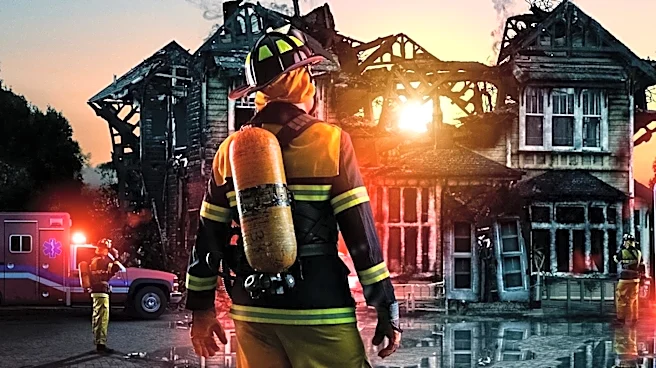
Two South Shore communities in Massachusetts, Marshfield and Taunton, have announced the unexpected deaths of active-duty firefighters within the past 48 hours. The Marshfield Fire Department reported the death of Captain William Shields, a long-serving
firefighter and paramedic, though his cause of death was not disclosed. Captain Shields was recognized for his dedication, leadership as training coordinator, and expertise as a lead mechanic and EMT-paramedic. The Taunton Fire Department announced the unexpected passing of firefighter Kyle Machado, a husband and father of two, who had previously served in the U.S. Navy. These recent deaths follow another unexpected loss earlier this month, that of Quincy firefighter Brian Snow, who died on August 2 at age 47. Snow, an active-duty firefighter since 2019 with prior service in Hull, was also a paramedic and EMT instructor. These incidents have led to an outpouring of condolences from firefighter unions and departments across Massachusetts, emphasizing the need for mutual support and mental health awareness within the fire service.
Why It's Important?
The unexpected deaths of three active-duty firefighters in Massachusetts within a short period highlight the profound and often unseen challenges faced by first responders. Beyond the immediate grief for the families and departments, these incidents underscore critical issues within the fire service, including the potential for job-related stress, trauma, and mental health struggles. The calls from firefighter unions for colleagues to support one another and seek help reflect a growing recognition of the mental toll the profession can take. This situation brings to the forefront the need for robust mental health resources, support systems, and open dialogue within emergency services. It also serves as a stark reminder to the public of the sacrifices made by firefighters, not only in physical danger but also in the psychological burden they carry, impacting their well-being and, in tragic cases, their lives. Addressing these underlying issues is crucial for the long-term health and sustainability of the fire service.
What's Next?
In the immediate aftermath, firefighter unions and departments across Massachusetts are urging community members and colleagues to offer support and look out for one another during this period of grief. There is a strong emphasis on encouraging firefighters to seek help and engage in conversations about mental health, acknowledging that the job can take an invisible toll. Professional Fire Fighters of Massachusetts District 1 Vice President James Brown specifically called for checking in on colleagues and utilizing available mental health resources. This tragic series of events is likely to intensify discussions and potentially lead to increased advocacy for enhanced mental health programs and support services for first responders at local and state levels. Departments may review and strengthen their internal support mechanisms, and there could be a broader push for public awareness campaigns regarding the mental health challenges faced by firefighters.
Beyond the Headlines
The repeated loss of active-duty firefighters, particularly when causes are not immediately disclosed or are described as 'unexpected,' often points to the silent epidemic of mental health crises and suicide within first responder communities. The 'brotherhood and sisterhood' sentiment expressed by unions, while offering comfort, also hints at the intense pressure and stoicism often expected within these professions, which can make it difficult for individuals to admit vulnerability or seek help. These incidents may trigger a deeper examination of the culture within fire departments, encouraging a shift towards more open and proactive mental health support. It also raises questions about the adequacy of current wellness programs, access to psychological services, and the need for destigmatizing mental health issues among those who are constantly exposed to traumatic events. The long-term implication could be a systemic change in how firefighter well-being is prioritized and managed, moving beyond reactive measures to preventative and continuous support.