

What's Happening?
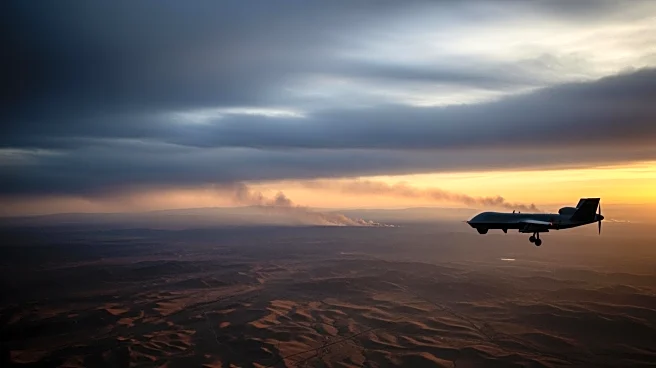
The United States and Israel have conducted airstrikes on Iran, leading to significant global reactions and escalating tensions in the region. The strikes, which occurred early on a Saturday, resulted in Iran retaliating by launching missiles at various
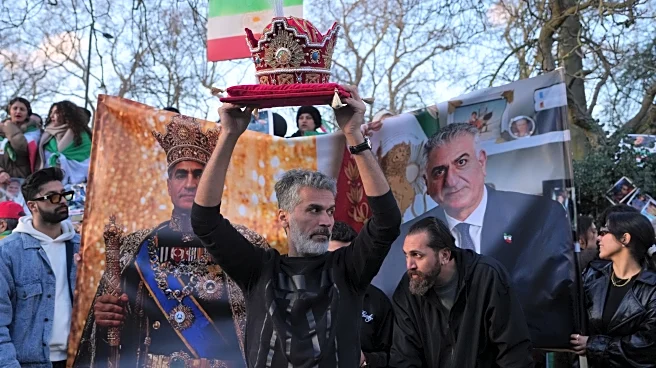
targets across the region. This military action has widened the scope of conflict, marking a significant escalation in hostilities. The strikes also resulted in the death of Iranian Supreme Leader Ayatollah Ali Khamenei, which has sparked widespread mourning and protests among the Iranian diaspora and supporters of the Ayatollah worldwide. Demonstrations have been reported in various cities, including Los Angeles and Houston in the United States, where people have gathered to express their opposition to the conflict and the death of Khamenei.
Why It's Important?
The airstrikes and subsequent retaliation by Iran have significant implications for international relations and regional stability. The death of Ayatollah Ali Khamenei could lead to a power vacuum in Iran, potentially destabilizing the country further and affecting its political landscape. The escalation of military actions between the U.S., Israel, and Iran could lead to broader conflicts in the Middle East, impacting global oil markets and international diplomatic relations. The reactions from the Iranian diaspora and global protests highlight the widespread concern over the potential for a new war in the Middle East, which could have far-reaching consequences for global peace and security.
What's Next?
The situation is likely to evolve as international leaders and organizations respond to the escalating conflict. Diplomatic efforts may be initiated to de-escalate tensions and prevent further military actions. The international community, including the United Nations, may call for restraint and dialogue to address the underlying issues. The U.S. and Israel may face increased scrutiny and pressure from global allies and adversaries to justify their actions and seek peaceful resolutions. The internal political dynamics in Iran will also be closely watched as the country navigates the aftermath of Khamenei's death.
Beyond the Headlines
The death of Ayatollah Khamenei could lead to significant shifts in Iran's domestic and foreign policies. The power transition may influence Iran's approach to nuclear negotiations and its relations with neighboring countries. The conflict also raises ethical questions about the use of military force and its impact on civilian populations. The global protests reflect a growing public sentiment against military interventions and highlight the need for diplomatic solutions to international conflicts.