


What's Happening?
Prime Minister Narendra Modi has called on Indian citizens to adopt 'nationally responsible' lifestyle choices to help the country navigate global economic uncertainties. In a public address, Modi emphasized the importance of reducing reliance on imports
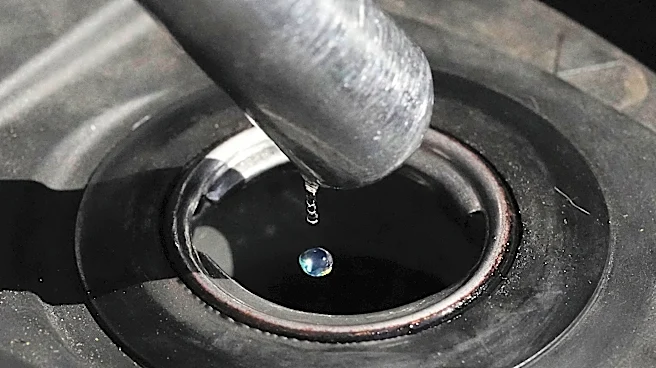
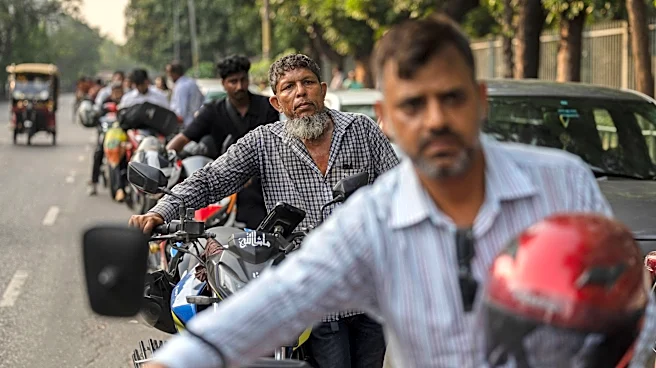
and promoting local products. He urged citizens to avoid non-essential purchases of gold and foreign travel to conserve foreign exchange reserves. Modi also suggested reviving practices from the COVID-19 pandemic, such as work-from-home and virtual meetings, to reduce fuel consumption. The Prime Minister highlighted the need for reduced use of chemical fertilizers to protect soil health and encouraged the adoption of natural farming practices.
Why It's Important?
Modi's appeal comes at a time when India is facing economic pressures due to global supply chain disruptions and inflationary pressures, exacerbated by the U.S.-Iran conflict. By promoting local products and reducing imports, India aims to strengthen its economic resilience. The call to reduce fuel consumption and foreign travel is also a strategic move to conserve foreign exchange reserves, which are crucial for maintaining economic stability. The emphasis on natural farming and reduced fertilizer use aligns with broader environmental goals and could lead to more sustainable agricultural practices.
What's Next?
The Indian government may implement policies to support Modi's call for reduced imports and increased use of local products. This could include incentives for businesses to produce locally and campaigns to raise public awareness about the benefits of 'Vocal for Local'. Additionally, there may be increased investment in public transportation and infrastructure to support reduced fuel consumption. The government's approach to managing foreign exchange reserves and promoting economic resilience will be closely watched by both domestic and international stakeholders.