







What's Happening?
The San Joaquin Valley is experiencing a rise in Valley Fever cases, a fungal disease caused by inhaling spores of the Coccidioides fungus. This increase is attributed to seasonal agricultural activities and the end of the school year, which lead to more
outdoor exposure. Over 1,200 confirmed or suspected cases have been reported in the first quarter of 2026 across several counties, including Fresno, Kern, and Tulare. The disease, which can cause severe respiratory issues, has no vaccine and is often underreported due to misdiagnosis. Historically, Kern County has been a hotspot, with over 46,000 cases since 2001. The Centers for Disease Control and Prevention (CDC) estimates that actual case numbers could be significantly higher than reported figures.
Why It's Important?
The rise in Valley Fever cases poses a significant public health challenge, particularly in regions like the San Joaquin Valley where agricultural work is prevalent. The disease can lead to severe health complications, including pneumonia and, in rare cases, meningitis. The underreporting of cases complicates efforts to address the disease's true impact. This situation highlights the need for increased awareness and diagnostic accuracy to prevent misdiagnosis and ensure timely treatment. The economic implications are also notable, as affected individuals may face prolonged illness, impacting workforce productivity in agriculture and other outdoor industries.
What's Next?
Efforts to combat Valley Fever will likely focus on improving diagnostic practices and increasing public awareness, especially in high-risk areas. Health authorities may enhance surveillance and reporting systems to better capture the true incidence of the disease. Preventive measures, such as minimizing exposure to dust and soil, will be crucial in reducing infection rates. Additionally, research into potential vaccines or treatments could gain momentum as the public health community seeks long-term solutions to this persistent issue.
Beyond the Headlines
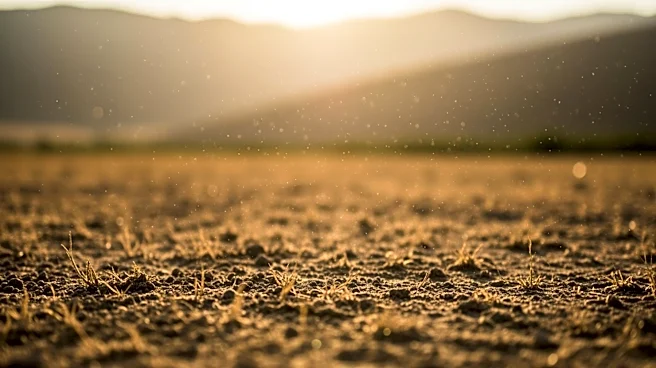
The Valley Fever outbreak underscores broader issues of healthcare access and environmental health. The disease disproportionately affects certain demographics, including Hispanic or Latino populations, and those with weakened immune systems. This raises questions about healthcare equity and the need for targeted interventions. Furthermore, the environmental conditions that facilitate the spread of Valley Fever, such as soil disturbance and climate factors, highlight the intersection of public health and environmental policy.