



What's Happening?
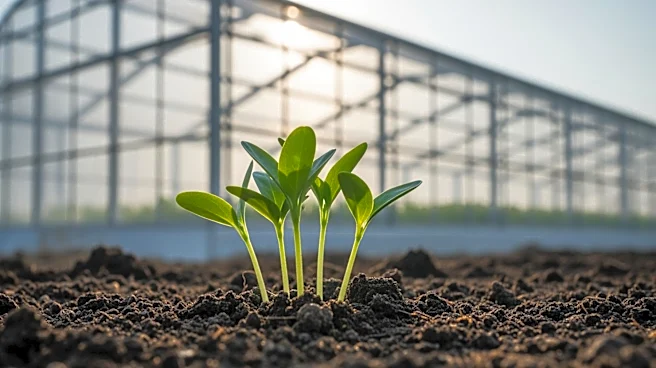
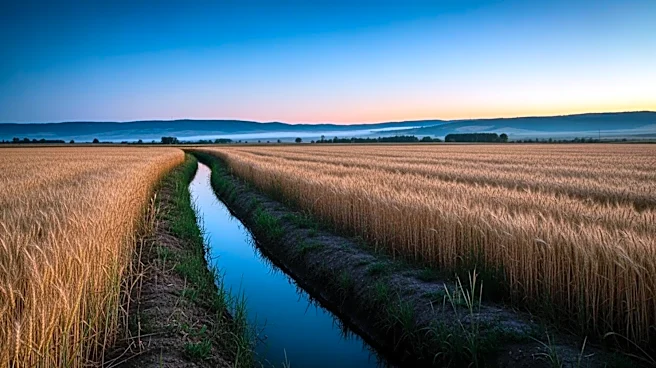
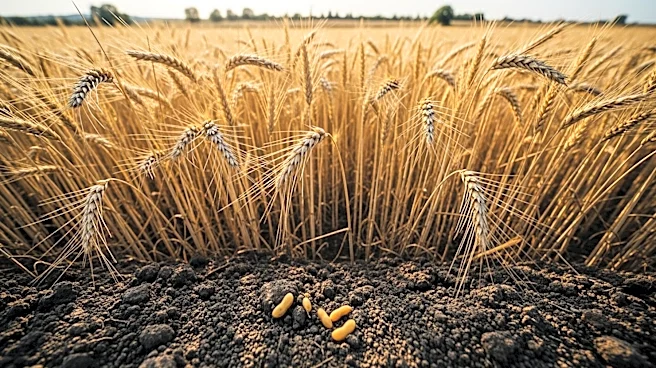
Kazakhstan is shifting its agricultural focus from self-sufficiency to becoming a regional export leader, as highlighted by Vice Minister of Agriculture Yerbol Taszhurekov at the Regional Ecological Summit. The country's agricultural production has reached
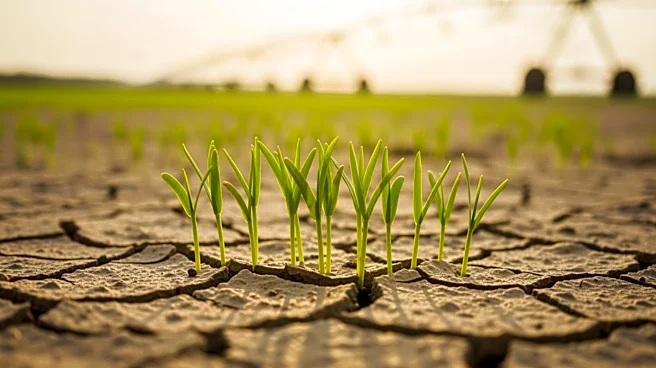
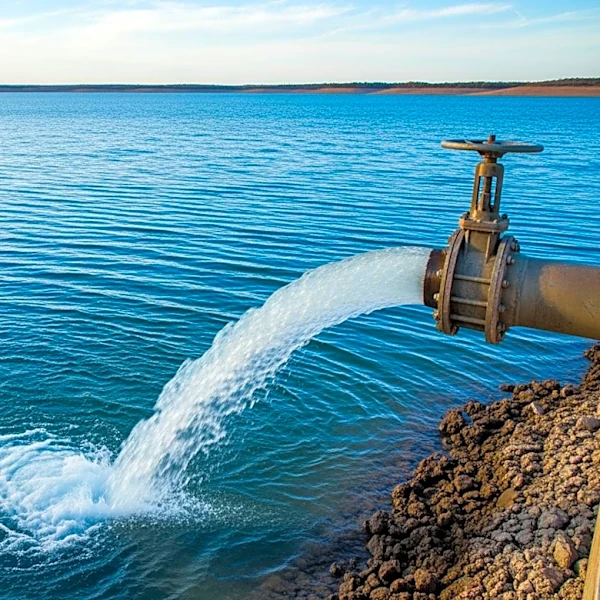
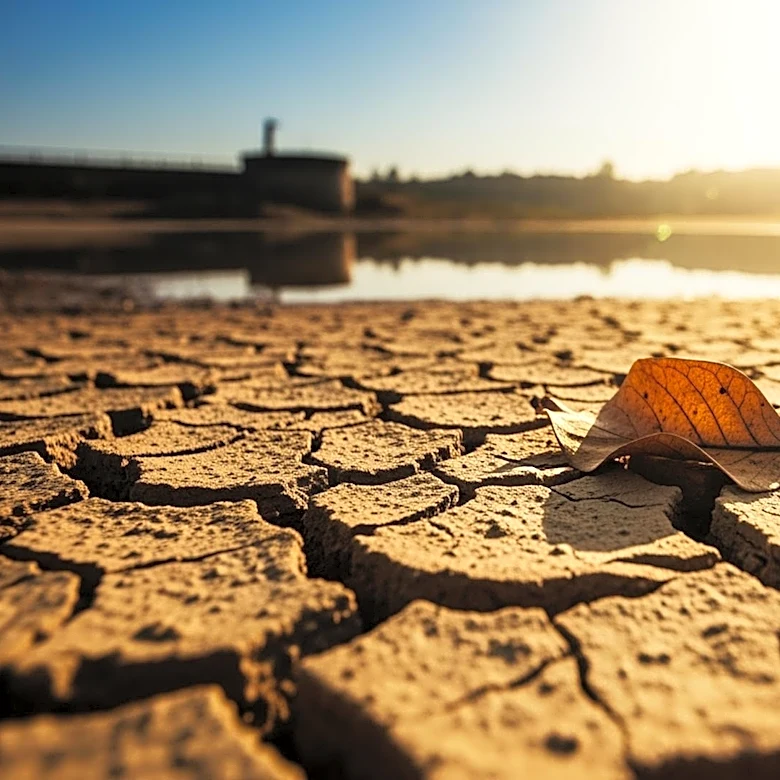
$20 billion, with significant investments in infrastructure. However, water scarcity poses a major challenge, as outlined by Vice Minister of Water Resources Talgat Manusov. Central Asia faces climate risks affecting water availability, crucial for agriculture and food security. Kazakhstan is implementing water-saving technologies and a new Water Code to manage resources efficiently.
Why It's Important?
Kazakhstan's agricultural ambitions are critical for regional food security, especially as Central Asia lacks deep economic integration. Efficient water management is essential to sustain agricultural growth and export potential. The region's shared water resources and infrastructure necessitate coordinated strategies to address climate impacts and ensure food security. Kazakhstan's approach could serve as a model for other countries facing similar challenges, emphasizing the importance of sustainable resource management in economic development.
What's Next?
Kazakhstan plans to continue expanding its agricultural exports while improving water management practices. The country aims to implement digital water resource management systems and increase the use of water-saving technologies. Regional cooperation will be crucial to address shared challenges, with potential for joint initiatives in irrigation modernization and scientific collaboration. The outcomes of these efforts will influence Central Asia's ability to adapt to climate change and maintain food security.