



What's Happening?
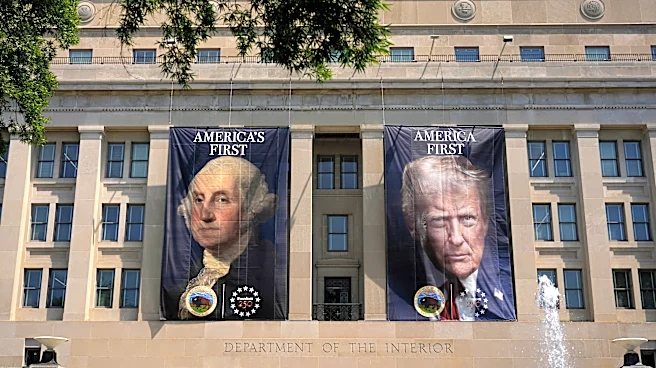
The U.S. Department of Education has announced 'patriotic education' as a priority for competitive grants, as part of an initiative under President Trump's administration. This move is part of a broader effort to emphasize patriotism in U.S. classrooms,
with the establishment of the America 250 Civics Education Coalition. The coalition, led by conservative-leaning organizations, aims to restore patriotism by ensuring that every American knows the country's history and values its freedoms. This initiative follows a 2025 executive order aimed at ending what the administration describes as 'radical indoctrination' in K-12 schools, which it claims promotes anti-American ideologies. The focus on patriotic education has sparked debates over the role of patriotism in education, with states like Florida and Texas revising their social studies standards to emphasize American exceptionalism.
Why It's Important?
The emphasis on patriotic education reflects ongoing debates about how American history and values should be taught in schools. This initiative could significantly impact the curriculum in K-12 education, potentially influencing how future generations perceive American history and identity. Supporters argue that it fosters a sense of national pride and unity, while critics warn it may lead to a sanitized version of history that overlooks critical perspectives. The initiative also highlights the political nature of education policy, as it aligns with broader conservative efforts to shape educational content. The outcome of this initiative could affect educational standards nationwide, influencing both public perception and policy regarding education and national identity.
What's Next?
As the initiative progresses, states will likely continue to revise their social studies standards to align with the federal emphasis on patriotic education. This could lead to further debates and potential legal challenges regarding the content of educational materials and the balance between patriotic education and critical historical analysis. Educational institutions, teachers, and policymakers will need to navigate these changes, balancing federal directives with local educational goals and community values. The initiative's impact on educational outcomes and public opinion will be closely monitored by stakeholders across the political spectrum.