









What's Happening?
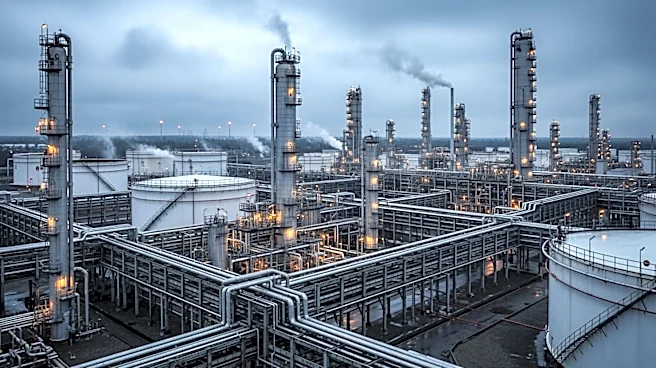
Fuel shortages have intensified across 25 Russian regions due to ongoing Ukrainian strikes on Russian oil refineries. These attacks have significantly disrupted Russia's oil infrastructure, with 38 strikes reported between January and May 2026. The strikes have led
to a 14% decrease in refinery utilization, exacerbating the fuel deficit. In response, gasoline prices have surged, particularly in Crimea, where prices are approximately 50% higher than official rates. Regional authorities have provided varying assessments of the situation, with some describing it as an 'artificial panic.' The shortages have also led to the closure of some gas stations in affected areas.
Why It's Important?
The fuel shortages in Russia highlight the broader economic and geopolitical consequences of the conflict with Ukraine. The disruption of oil supplies not only affects domestic markets but also has potential implications for global energy prices and supply chains. The situation underscores the vulnerability of energy infrastructure in conflict zones and the strategic importance of oil in geopolitical conflicts. The rising fuel prices and shortages could lead to increased economic strain on Russian consumers and businesses, potentially influencing public sentiment and political stability within the country.
What's Next?
As the conflict continues, further strikes on oil infrastructure could exacerbate the fuel shortages and economic challenges in Russia. The Russian government may need to implement measures to stabilize the fuel supply and manage public discontent. Additionally, the international community will likely monitor the situation closely, as prolonged disruptions could impact global energy markets. The ongoing conflict may also prompt discussions on energy security and the diversification of energy sources to mitigate the risks associated with geopolitical tensions.