
What's Happening?
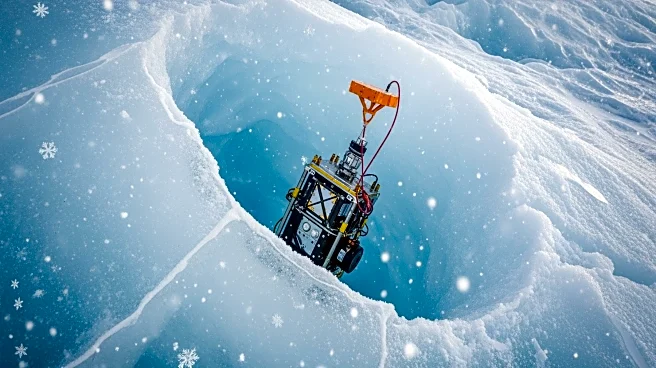
A recent study has highlighted that some warming in the Arctic is irreversible, even if atmospheric CO2 levels are reduced to pre-industrial levels. The research, conducted by Xiao Dong and colleagues
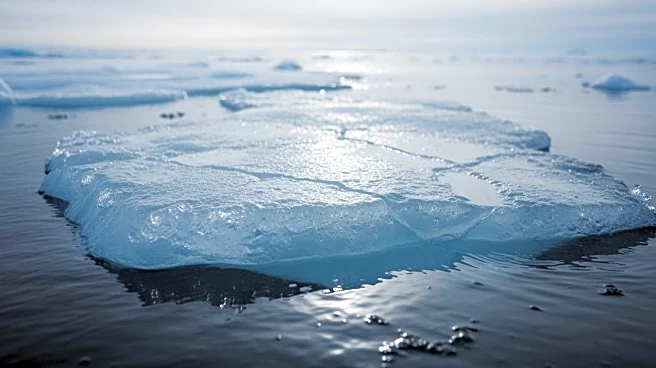
at the Institute of Atmospheric Physics in Beijing, utilized 11 climate models to predict that the Arctic will retain about 1.5°C of warming. This is due to the ocean's heat absorption, which will continue to warm the Arctic for centuries. The study also suggests that precipitation levels will remain elevated, contributing to ongoing climate changes in the region.
Why It's Important?
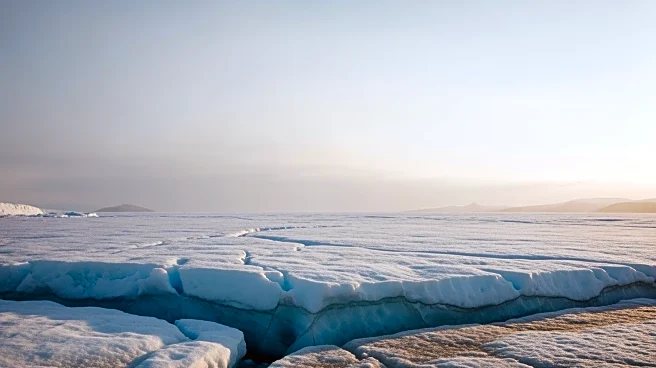
The findings underscore the challenges in reversing climate change impacts, particularly in sensitive regions like the Arctic. The persistence of warming and increased precipitation could have significant implications for global weather patterns, sea level rise, and ecosystems. This research highlights the limitations of current carbon dioxide removal strategies and the need for comprehensive climate action. The continued warming of the Arctic could accelerate the melting of ice sheets and permafrost, contributing to global sea level rise and affecting communities worldwide.
Beyond the Headlines
The study raises ethical and policy questions about the effectiveness of current climate strategies and the responsibility of nations to mitigate irreversible damage. It also emphasizes the importance of international cooperation in addressing climate change, as the Arctic's changes have global repercussions. The potential long-term impacts on indigenous communities and wildlife in the Arctic region also warrant consideration, as these groups are directly affected by environmental changes.