








What's Happening?
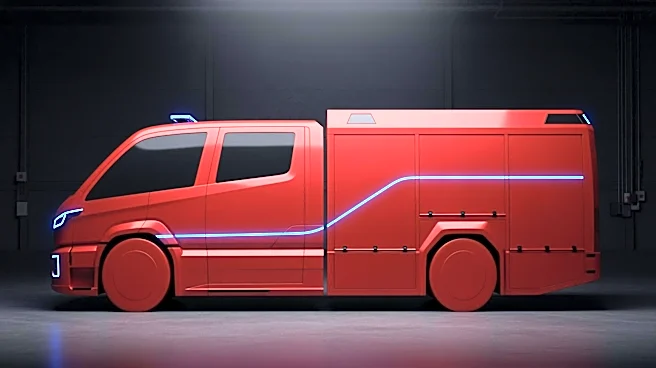
Scania has introduced its first battery-electric CrewCab at the Interschutz 2026 event in Hannover, Germany. This launch marks a significant step in the electrification of high-reliability vehicles used in fire and rescue operations. The CrewCab is part
of a five-vehicle display that includes both zero-emission and combustion engine platforms, reflecting Scania's strategy to support operators transitioning to lower-emission operations. The lineup includes a P-cab battery-electric truck and other models equipped with the Super 11 engine, which can reduce fuel consumption by up to 10%. Scania's Power Solutions portfolio, showcased at the event, spans V8 combustion engines and electric machines, designed to serve operators across all propulsion stages.
Why It's Important?
The introduction of battery-electric vehicles in the fire and rescue sector is crucial for reducing emissions and promoting sustainability in emergency services. Scania's move aligns with global efforts to decarbonize transportation and improve air quality. By offering a range of propulsion options, Scania supports operators in meeting environmental regulations without compromising performance and reliability. This development could influence other manufacturers to accelerate their electrification efforts, potentially leading to broader adoption of electric vehicles in emergency services worldwide.
What's Next?
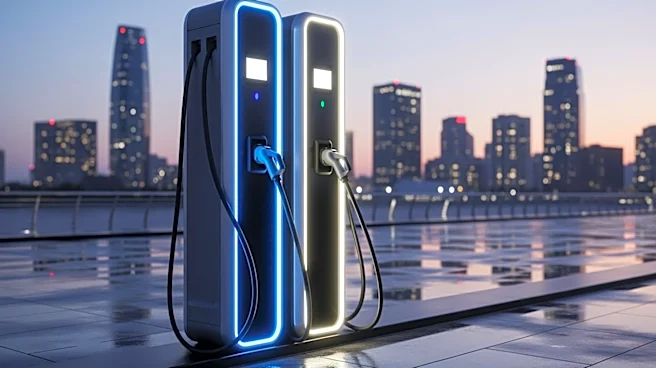
Scania's launch may prompt other manufacturers to explore electrification in specialized vehicle segments. As the industry shifts towards sustainable solutions, stakeholders might invest in infrastructure to support electric vehicle operations, such as charging stations and maintenance facilities. Regulatory bodies could also introduce incentives to encourage the adoption of zero-emission vehicles in emergency services, further driving innovation and investment in this area.