





What's Happening?
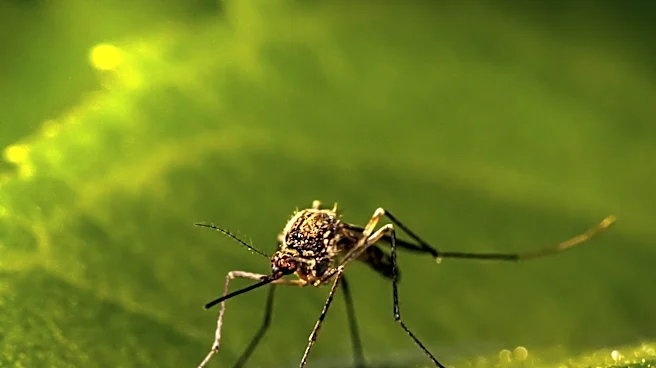
West Nile virus (WNV) has been detected in 22 towns across Connecticut, according to state health officials. The Connecticut Agricultural Experiment Station (CAES) has identified WNV-infected mosquitoes in various locations, including Branford, Bridgeport,
Cheshire, Danbury, Darien, East Haven, Fairfield, Greenwich, Manchester, Meriden, Milford, Montville, New Britain, New Haven, North Branford, North Haven, Norwalk, South Windsor, Stamford, Stratford, West Haven, and Westport. As of Wednesday, no human cases of the virus have been reported this season. John Shepard, a medical entomologist at CAES, stated that the virus is spreading, with the highest activity observed in mosquitoes from Fairfield and New Haven counties. He anticipates that mosquito infections will continue to rise, increasing the risk of human infection from now through the end of September. State scientists are urging residents to take precautions to protect themselves from mosquito bites.
Why It's Important?
The detection of West Nile virus in 22 Connecticut towns signals an increasing public health concern for residents across the state. While no human cases have been reported yet this season, the rising number of infected mosquitoes indicates a growing risk of transmission. This situation is particularly important because WNV is the leading cause of mosquito-borne illness in the Northeast, and its presence necessitates proactive measures to prevent human infections. The spread of the virus, especially with higher activity in densely populated Fairfield and New Haven counties, means a larger segment of the population is potentially exposed. Public health officials and medical entomologists are emphasizing the need for personal protection, such as using insect repellent and covering exposed skin, particularly during peak mosquito activity times at dusk and dawn. Failure to take precautions could lead to an increase in human cases, potentially straining healthcare resources and causing severe health outcomes for affected individuals, especially those with compromised immune systems.
What's Next?
With West Nile virus activity expected to increase through the end of September, state scientists and health officials will continue to monitor mosquito populations and virus prevalence across Connecticut. The Connecticut Agricultural Experiment Station (CAES) will likely maintain its surveillance efforts, tracking the spread of infected mosquitoes and updating the public on high-risk areas. Residents are strongly advised to take immediate precautions, including using insect repellent and wearing protective clothing during outdoor activities, especially from dusk to dawn when mosquitoes are most active. Public health campaigns will likely reinforce these messages to ensure widespread awareness. Should human cases begin to emerge, health departments will initiate contact tracing and localized public health interventions. The ongoing monitoring and public education efforts are crucial to mitigating the risk of human infections and preventing a potential public health crisis, particularly as the season progresses and mosquito populations remain active.
Beyond the Headlines
The recurring presence of West Nile virus in Connecticut, and the Northeast generally, highlights a broader ecological and public health challenge. The virus's consistent detection every summer underscores the dynamic interplay between environmental factors, mosquito populations, and human health. Climate change, for instance, could influence mosquito breeding patterns and geographic distribution, potentially extending the season of risk or introducing WNV to new areas. This annual threat also points to the continuous need for robust public health infrastructure, including entomological surveillance, rapid diagnostic capabilities, and effective public communication strategies. Beyond immediate prevention, the long-term implications involve understanding how urban and suburban development might create ideal breeding grounds for mosquitoes, and how community-level interventions, such as wetland management and public sanitation, can play a role in vector control. The ethical dimension also arises in ensuring equitable access to information and protective measures for all communities, particularly those that may be more vulnerable due to socioeconomic factors or limited access to resources.