




What's Happening?
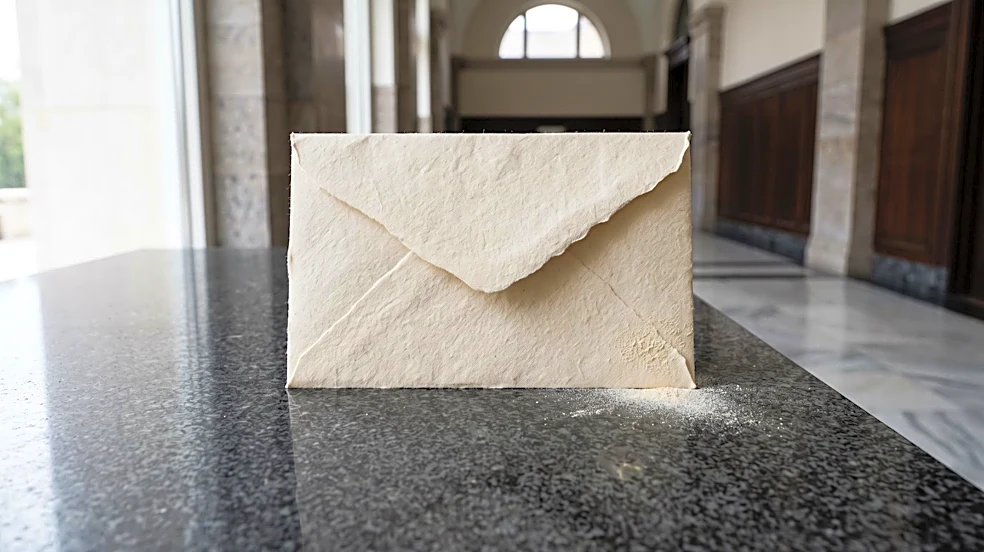
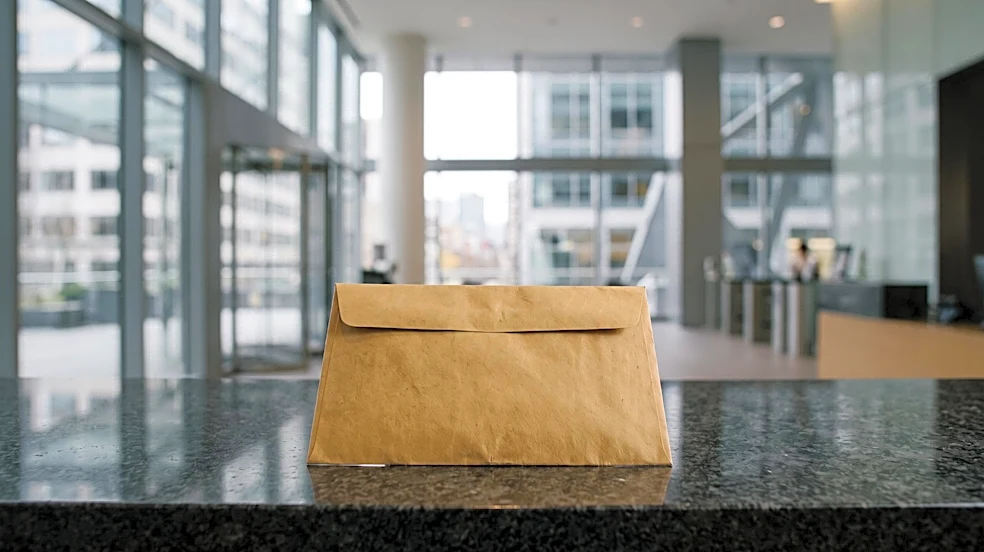
Senator Pete Ricketts' Omaha office recently received a letter containing a powdery substance, which matched descriptions of similar suspicious mailings sent to various congressional and state offices across the nation. Following the discovery, Senator Ricketts' team
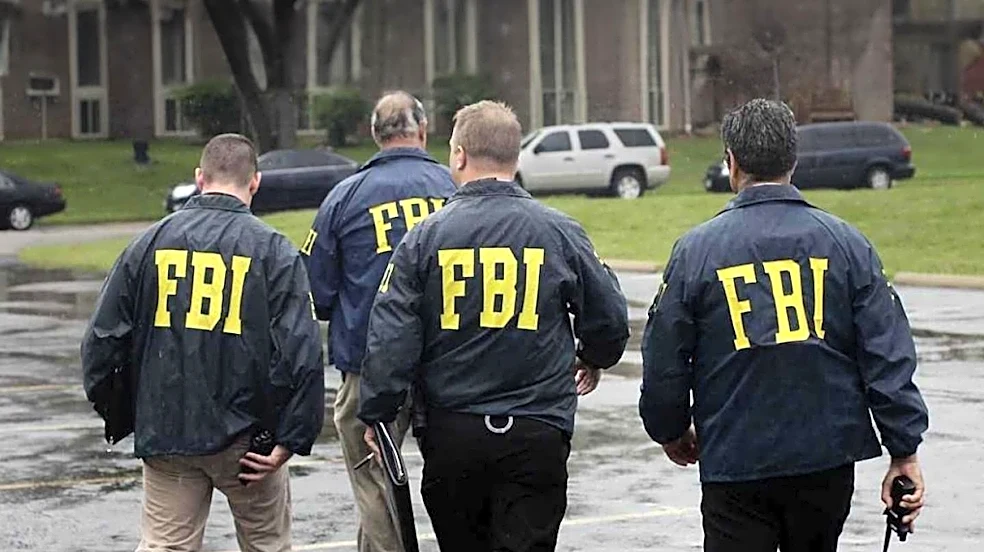
initiated a coordinated response with the Omaha Police Department, the FBI, and Capitol Police. These agencies investigated the substance and subsequently confirmed that it was not harmful. This incident is part of a broader trend of suspicious letters targeting lawmakers, with other senators such as Ted Cruz, Mike Rounds, and Susan Collins also reporting similar occurrences at their state offices. The wave of mailings has prompted warnings from House officials about the likelihood of more such letters being received in the coming days, though none have been found to contain hazardous materials so far. The FBI is actively investigating these mailings in conjunction with the U.S. Postal Inspection Service.
Why It's Important?
The receipt of suspicious letters by congressional offices, including Senator Ricketts', highlights a concerning trend of political intimidation and potential threats against public officials. While the substance in these letters has been deemed non-hazardous, the incidents evoke memories of past events, such as the 2001 anthrax attacks on the Capitol, which led to significant changes in mail handling security. These events can create an atmosphere of fear and disruption for congressional staff and lawmakers, potentially impacting their ability to conduct official duties without undue stress. The widespread nature of these mailings, targeting both Democratic and Republican offices, suggests a broader effort to sow discord or intimidate political figures, underscoring vulnerabilities in security protocols for state and district offices compared to the more secure Capitol Hill mail processing. Such incidents can also strain local law enforcement and federal investigative resources.
What's Next?
Authorities, including the FBI and U.S. Postal Inspection Service, are continuing their investigation into the origins and perpetrators of these suspicious mailings. House officials have already warned that more offices may receive similar letters, indicating a sustained threat. Congressional offices are expected to reinforce their mail handling procedures, particularly in state and district offices, which may not have the same level of offsite screening as mail directed to Capitol Hill. Law enforcement will likely focus on identifying any patterns in the mailings, such as return addresses or specific messaging, to track down those responsible. The ongoing nature of these incidents may also prompt discussions about enhanced security measures and threat assessments for lawmakers and their staff across all their operational locations.
Beyond the Headlines
Beyond the immediate security concerns, these incidents reflect a broader climate of escalating political rhetoric and polarization in the United States. The use of suspicious mail as a tactic of intimidation can contribute to a chilling effect on political discourse and public service, potentially deterring individuals from engaging in politics or working for elected officials. The psychological impact on staff members who directly handle such mail can be significant, leading to increased anxiety and stress. Furthermore, these events raise questions about the effectiveness of current security measures in protecting public servants in their local offices, which are often more accessible than federal buildings. The repeated nature of these threats, even if non-hazardous, underscores a persistent challenge to maintaining a safe and functional democratic process free from intimidation.