








What's Happening?
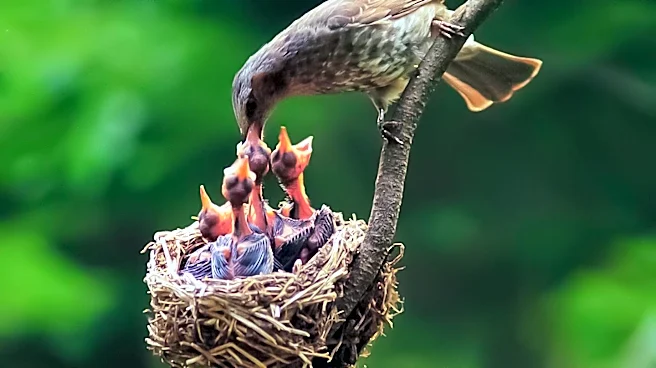
Bird watchers in Connecticut are expressing concern over a noticeable decline in the number of osprey chicks. Experts from the Connecticut Audubon Society have observed that the iconic bird is producing fewer surviving offspring. This trend is occurring
at a time when osprey populations further down the East Coast are also experiencing declines. One potential cause identified is a shortage of fish, which are a primary food source for ospreys. The situation is prompting discussions among conservationists and bird enthusiasts about the health of local ecosystems and the factors contributing to this decline.
Why It's Important?
The decline in osprey chicks is a significant environmental concern, as it may indicate broader ecological issues such as overfishing, pollution, or habitat loss. Ospreys are considered an indicator species, meaning their health reflects the overall condition of their environment. A decrease in their population could signal problems that might affect other wildlife and ecosystems. This situation highlights the need for conservation efforts and policies aimed at protecting natural habitats and ensuring sustainable fish populations.
What's Next?
Conservation groups and environmental agencies may increase monitoring efforts to better understand the factors affecting osprey populations. There could be initiatives to restore and protect habitats, as well as campaigns to raise public awareness about the importance of maintaining healthy ecosystems. Collaborative efforts between government bodies, non-profits, and the community might be necessary to address the underlying causes of the decline.