









What's Happening?
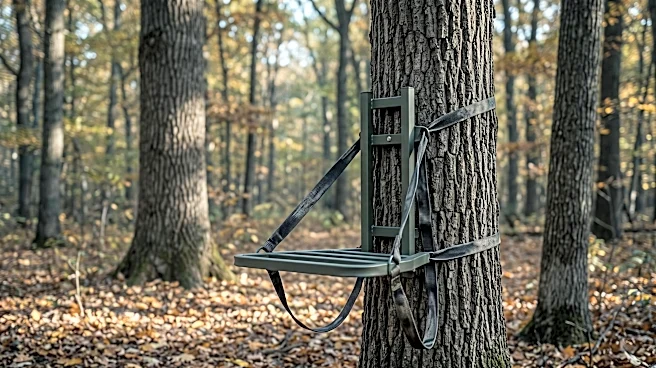
The Arkansas Game and Fish Commission (AGFC) is advising hunters to conduct thorough pre-season inspections of their treestands to prevent accidents during deer hunting season. Matt Gideon, Hunter Education and Boater Education Coordinator for the AGFC,
highlighted that treestand falls account for 75 to 80 percent of hunting accidents annually, with many resulting in serious injuries or fatalities. Gideon recommends inspecting all welds, straps, and cables on treestands. He particularly stresses the importance of replacing straps that have been exposed to the elements all year, as squirrels, rats, and weather can weaken materials. Ideally, treestands should be taken down at the end of each season for thorough inspection. Gideon also noted that misuse or non-use of safety harnesses is a primary cause of treestand falls, with many incidents occurring during the climb up or down when harnesses are unattached. The AGFC compiles an annual Hunter Incident Report to inform Hunter Education instructors and identify trends in safety lapses.
Why It's Important?
This advisory from the Arkansas Game and Fish Commission is crucial for hunter safety and public health, as treestand falls are a leading cause of hunting-related injuries and fatalities in the U.S. The emphasis on pre-season inspections and proper safety harness use directly addresses preventable accidents, potentially saving lives and reducing the burden on emergency medical services. For the hunting community, this initiative reinforces the importance of responsible hunting practices and education, which can help maintain the sport's reputation and ensure its long-term viability. Economically, a reduction in hunting accidents can lead to fewer medical costs and lost productivity. Furthermore, the AGFC's annual Hunter Incident Report serves as a vital tool for data-driven safety improvements, allowing for targeted educational programs and potential regulatory adjustments to keep pace with evolving hunting styles and technology. This proactive approach to safety benefits individual hunters, their families, and the broader outdoor recreation industry.
What's Next?
Hunters in Arkansas and potentially other states are expected to heed the AGFC's advice by inspecting their treestands and safety equipment before the deer hunting season begins. The AGFC will continue to use its annual Hunter Incident Report to inform its Hunter Education programs, ensuring that instructors can relay valuable lessons learned from past accidents. This ongoing data collection and analysis may lead to further refinements in safety guidelines, educational materials, and potentially even regulations to enhance hunter safety. The focus on proper safety harness usage suggests that future educational campaigns might specifically target this area. The AGFC's efforts could also inspire other state wildlife agencies to reinforce similar pre-season safety checks and educational initiatives, contributing to a nationwide improvement in hunting safety standards. Hunters should anticipate continued emphasis on safety education and adherence to best practices.
Beyond the Headlines
The AGFC's focus on treestand safety highlights a broader cultural and ethical dimension within the hunting community: the responsibility of individual hunters for their own safety and the safety of others. This goes beyond mere compliance with regulations, touching upon a commitment to best practices and continuous learning. The comparison of hunting injury rates to golf injury rates, while intended to contextualize risk, also subtly underscores the need for accurate public perception of hunting as a relatively safe activity when proper precautions are taken. This initiative also reflects the evolving role of state wildlife agencies, which are not only responsible for wildlife management but also for public safety education and incident analysis. The reliance on data from the Hunter Incident Report for educational improvements demonstrates a modern, evidence-based approach to safety, moving beyond anecdotal advice to systematic risk reduction. This proactive stance contributes to the long-term sustainability and public acceptance of hunting as a recreational activity.