






What's Happening?
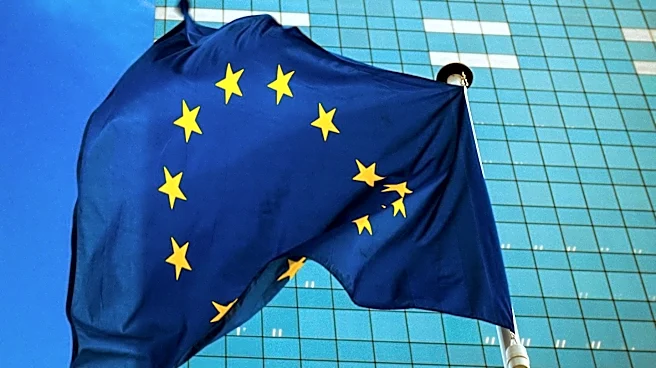
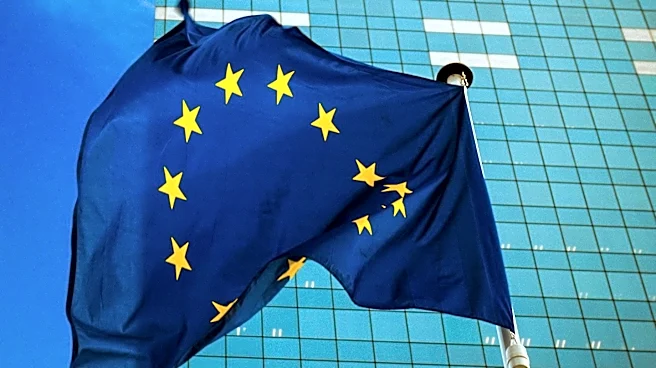
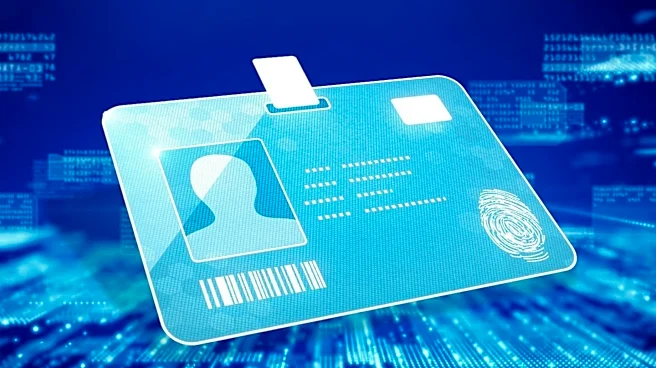
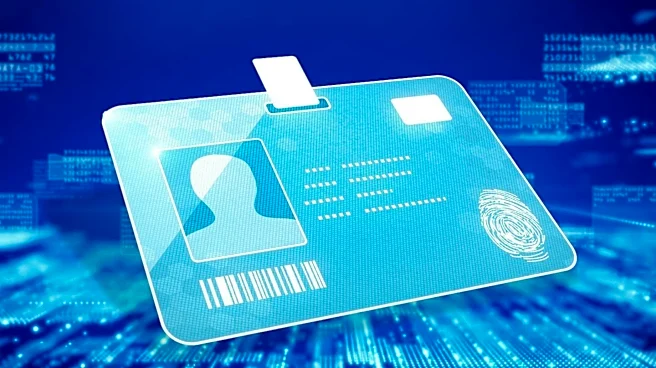
The European Union is preparing to roll out digital identity wallets, a key component of the European Digital Identity Regulation, by the end of the year. These wallets are designed to securely store personal identifying information such as bank account
details, diplomas, and government IDs like driver's licenses. However, cryptographers are expressing concerns that the current implementation of these digital wallets could inadvertently create 'cryptographic clues' that enable tracking of individuals across various services. While the regulation mandates 'selective disclosure,' allowing users to share only necessary attributes (e.g., confirming age without revealing full name), experts warn that underlying digital signatures and identifiers could still be used to link interactions. This potential for tracking raises questions about the privacy protections afforded by the new system, with some cryptographers suggesting that the technology may not be advanced enough to prevent such issues without further enhancements.
Why It's Important?
The debate surrounding the EU's digital identity wallets highlights a critical tension between convenience and privacy in the rapidly evolving landscape of digital identification. For U.S. citizens and businesses operating internationally, particularly within the EU, the security and privacy standards of these digital wallets could set precedents or influence future digital identity initiatives. If the EU's system proves vulnerable to tracking, it could undermine trust in digital identity solutions globally and potentially impact cross-border data exchange and digital commerce. Conversely, if robust privacy-enhancing technologies, such as zero-knowledge proofs, are eventually mandated, it could establish a higher bar for digital privacy that other nations, including the U.S., might consider adopting. The outcome of this implementation will shape how personal data is managed and protected in digital environments, affecting everything from online transactions to international travel and regulatory compliance for companies with a global footprint.
What's Next?
The European Commission is currently conducting further research into implementing zero-knowledge proofs, a cryptographic technique that would allow users to verify information without revealing unnecessary personal data, thereby enhancing privacy and unlinkability. While these proofs are not yet a mandatory requirement for the initial rollout of the digital wallets, they are considered a 'core roadmap item.' EU member states have the option to implement these advanced privacy features on a per-country basis. Cryptographers are divided on whether the rollout should proceed without mandatory zero-knowledge proofs, with some advocating for a binding timeline for their introduction in a second version of the wallets. The Commission's GitHub page indicates that more pan-European consultation is needed before a clear, certifiable approach for zero-knowledge proofs can be agreed upon at the EU level. The ongoing discussions and potential future mandates will determine the long-term privacy posture of the EU's digital identity system.
Beyond the Headlines
The concerns over the EU's digital identity wallets extend beyond immediate technical vulnerabilities, touching upon fundamental ethical and societal implications of pervasive digital identification. The potential for 'digital crumbs' of information to be left behind with every interaction raises the specter of a surveillance society, where individuals' activities could be continuously monitored and linked across various services. This could lead to a chilling effect on free expression and association, as individuals might self-censor or alter their behavior knowing their digital footprint is being tracked. The debate also underscores the challenge of balancing governmental and corporate interests in data collection with individual rights to privacy. The push for zero-knowledge proofs reflects a growing recognition that privacy-by-design principles are crucial for building trustworthy digital infrastructure, and their eventual widespread adoption could signify a significant shift towards more privacy-centric digital ecosystems globally.