









What's Happening?
In response to the catastrophic floods in Texas Hill Country last year, which resulted in over 100 fatalities, state officials have introduced enhanced flood warning systems. These improvements include the installation of flood sirens and the dissemination
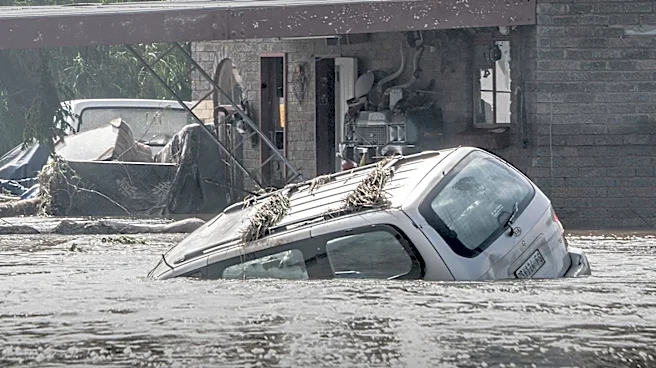
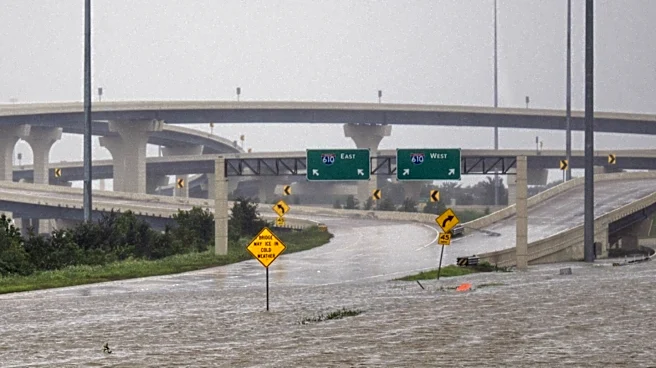
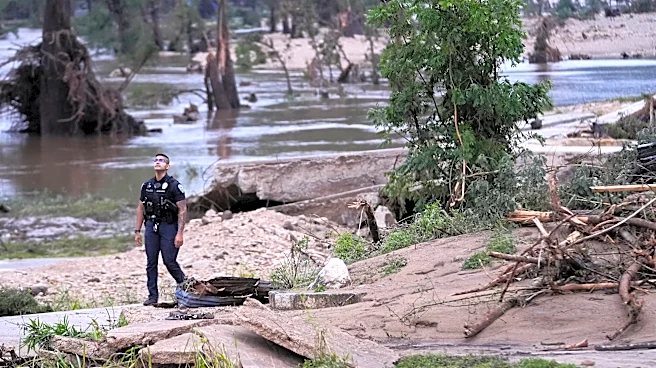
of wireless alerts to better prepare residents for potential flooding. Recent storms have tested these new systems, with at least two fatalities reported and hundreds requiring rescue. The new measures, such as flood sirens and mobile alerts, have been credited with providing timely warnings, although some areas still experienced communication gaps. The initiative aims to address previous shortcomings in emergency response, particularly in rural areas known as Flash Flood Alley.
Why It's Important?
The implementation of improved flood warning systems in Texas is crucial for enhancing public safety and reducing the risk of fatalities during natural disasters. The state's proactive measures reflect a commitment to learning from past tragedies and improving emergency preparedness. These systems are expected to save lives by providing timely alerts, allowing residents to evacuate to safer areas. The initiative also highlights the importance of government accountability and the need for continuous investment in infrastructure to mitigate the impact of climate-related events. The success of these systems could serve as a model for other regions prone to similar natural disasters.
What's Next?
The expansion of flood warning systems in Texas is ongoing, with additional counties eligible for funding to implement similar measures. The Texas Water Development Board is reviewing implementation plans from various counties. Private companies are also contributing by installing flood sirens at privately owned sites. The state government, led by Governor Greg Abbott, continues to emphasize the importance of preparedness and is likely to monitor the effectiveness of these systems closely. Future developments may include further technological advancements and increased collaboration between public and private sectors to enhance emergency response capabilities.