
What's Happening?
The United States has intercepted an oil tanker off the coast of Venezuela in international waters, as confirmed by U.S. Homeland Security Secretary Kristi Noem. This action follows President Trump's recent
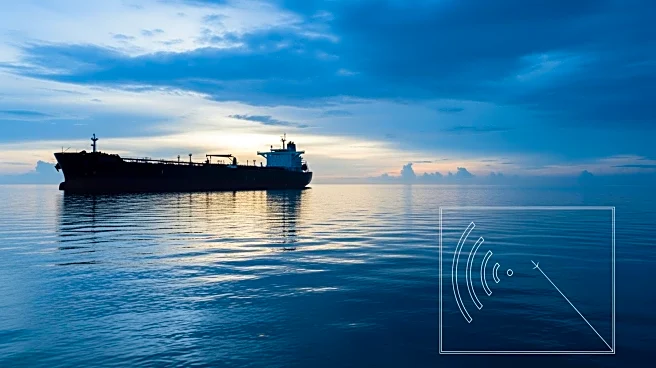
announcement of a blockade on all sanctioned oil tankers entering and leaving Venezuela. The intercepted vessel, believed to be the Panama-flagged Centuries, was carrying approximately 1.8 million barrels of Venezuelan Merey crude oil bound for China. The tanker was part of a 'shadow fleet' used to transport oil under false flags to evade U.S. sanctions. The Venezuelan government has condemned the interception as an act of international piracy and plans to report the incident to the United Nations Security Council. This is the second such interception in recent weeks, highlighting the U.S.'s intensified efforts to curb the illicit movement of sanctioned oil, which is allegedly used to fund narco-terrorism in the region.
Why It's Important?
The interception of the oil tanker underscores the escalating tensions between the U.S. and Venezuela, particularly concerning the latter's oil exports. The U.S. has been increasing its military presence in the region as part of a broader strategy to pressure Venezuelan President Nicolas Maduro. The blockade and subsequent interceptions could significantly impact global oil markets, especially if the embargo persists, potentially leading to higher oil prices due to reduced supply. The situation also highlights the geopolitical struggle over Venezuela's vast oil reserves, with China being a major buyer of Venezuelan crude. The U.S.'s actions may further strain its relations with China, which relies on Venezuelan oil for a portion of its imports.
What's Next?
The Venezuelan government is expected to escalate the issue to international forums, including the United Nations, seeking support against what it perceives as U.S. aggression. Meanwhile, the U.S. may continue its enforcement of the blockade, potentially leading to more interceptions and heightened military activity in the region. The ongoing situation could prompt responses from other global powers, particularly those with vested interests in Venezuelan oil, such as China and Russia. Additionally, the U.S. may face criticism from international human rights organizations and other countries for its aggressive tactics.