






What's Happening?
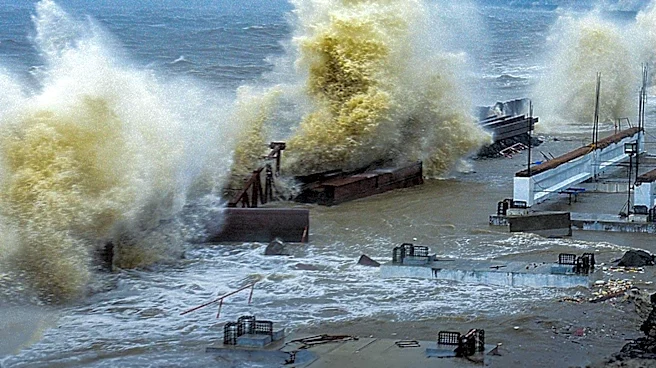
Typhoon Noul made landfall in southern China, affecting regions such as Guangdong province and Hong Kong with strong winds and heavy rain. The storm prompted the evacuation of over 715,000 people in Guangdong, as the area was placed on high alert. In
response to the typhoon, hundreds of flights were canceled in both China and Hong Kong, with Hong Kong's airport authority reporting about 350 flight cancellations. The typhoon, which was the strongest to hit China this year, made landfall along the Huidong county coast in Huizhou city. As it moved inland, the storm began to weaken, but it continued to bring adverse weather conditions to the region.
Why It's Important?
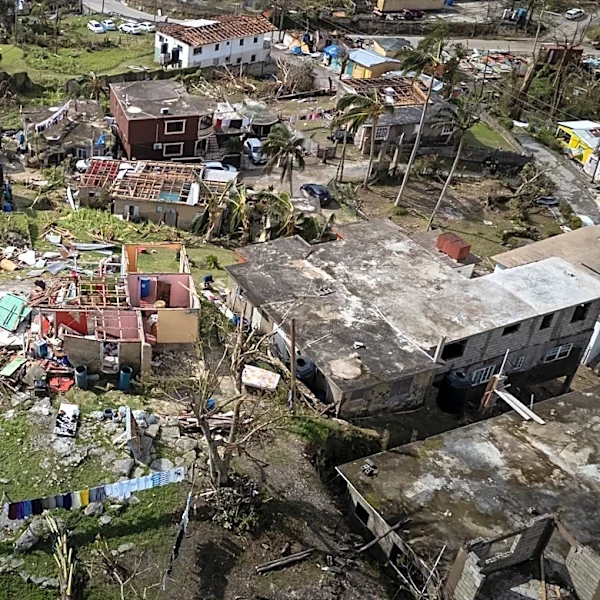
The impact of Typhoon Noul is significant due to the large-scale evacuations and disruptions in transportation, highlighting the vulnerability of densely populated regions to severe weather events. The evacuation of over 715,000 people underscores the potential human and economic costs associated with such natural disasters. The cancellation of hundreds of flights affects not only local travel but also international connections, potentially disrupting business and tourism. The storm's impact on infrastructure, such as the collapse of scaffolding in Hong Kong, further illustrates the challenges faced by urban areas in managing the effects of extreme weather.
What's Next?
As Typhoon Noul continues to weaken, recovery efforts will likely focus on restoring normalcy in affected areas. Authorities will need to assess and repair infrastructure damage, particularly in transportation and public services. The response to the typhoon may prompt discussions on improving disaster preparedness and resilience in the face of future storms. Additionally, the economic impact of the disruptions, particularly in the aviation and tourism sectors, will need to be addressed as part of the recovery process.