





What's Happening?
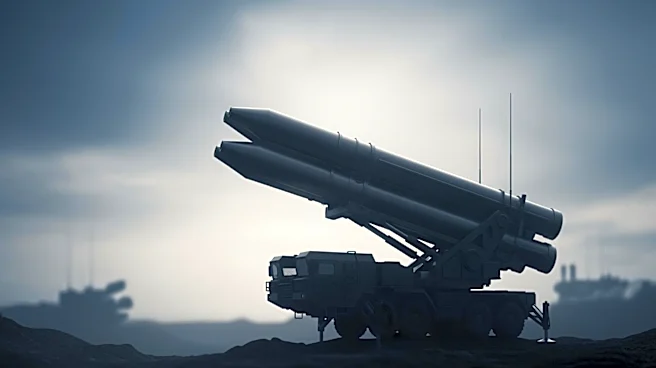
NATO is conducting war games to simulate a potential Russian invasion of the Baltic states, highlighting the alliance's strategic focus on strengthening its defense capabilities. The exercises, involving NATO's Allied Rapid Reaction Corps (ARRC), are
set in a scenario where Russia has amassed military forces along NATO's eastern flank by 2030. The drills are designed to test NATO's readiness to respond to such a threat, with a particular emphasis on utilizing advanced technologies like artificial intelligence to enhance targeting and defense strategies. The exercises underscore the urgency for NATO countries to increase their military spending and build up ammunition stockpiles and air defense systems. This comes amid concerns that Russia could be ready to launch an invasion as early as next year, a timeline that contrasts with previous estimates suggesting a longer recovery period for Russia post-Ukraine conflict.
Why It's Important?
The war games reflect a critical juncture for NATO as it seeks to deter potential Russian aggression in Eastern Europe. The exercises serve as a wake-up call for NATO members to accelerate their defense investments, particularly in light of the U.S. reducing its military presence in Europe. The strategic shift towards more autonomous and technologically advanced defense systems is crucial for maintaining a credible deterrent against Russia. The outcome of these exercises could influence future defense policies and spending priorities within NATO, impacting the alliance's ability to protect its easternmost members. The situation also highlights the geopolitical tensions in the region and the need for a unified and robust response to potential threats.
What's Next?
NATO countries are expected to continue ramping up their defense capabilities, with a focus on achieving the necessary military readiness by 2030. This includes increasing defense budgets and ensuring the rapid deployment of advanced technologies. The exercises may prompt further discussions among NATO members about the allocation of resources and the need for a more balanced contribution to the alliance's collective defense. Additionally, the outcome of these war games could influence NATO's strategic planning and its approach to countering Russian military strategies. The alliance will likely continue to monitor Russia's military activities closely and adjust its defense posture accordingly.
Beyond the Headlines
The war games also raise questions about the long-term sustainability of NATO's defense strategy, particularly in the context of shifting global power dynamics. The reliance on advanced technologies like artificial intelligence introduces new ethical and operational challenges, including the need for robust cybersecurity measures and the potential implications of autonomous warfare. Furthermore, the exercises highlight the importance of maintaining strong transatlantic ties and the potential consequences of a diminished U.S. military presence in Europe. As NATO navigates these complex issues, the alliance's ability to adapt and innovate will be crucial in ensuring its continued relevance and effectiveness in a rapidly changing security environment.