







What's Happening?
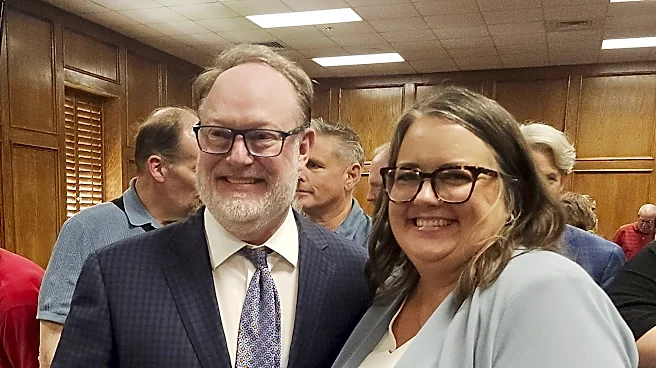
Robert Howden, the newly appointed Texas Secretary of State, has announced his intention to continue defending the state's open primary system. This decision places him in opposition to the Texas GOP, which filed a lawsuit last year seeking to eliminate
the current system that allows voters to participate in primaries without declaring a party affiliation. The GOP argues that the open primary system allows Democrats and independents to influence Republican primaries, potentially moderating the party's candidates. The lawsuit has been a significant financial burden for the party, and the new party chair, D’rinda Randall, has reported that legal fees related to the case are the party's largest unpaid debt. Despite the GOP's hopes for a change in stance with the appointment of Howden, he has stated that any changes to the primary system should be decided by the Texas Legislature.
Why It's Important?
The defense of the open primary system by Secretary Howden is significant as it maintains the status quo in Texas's electoral process, which allows for broader voter participation in primaries. This decision could impact the political landscape in Texas by potentially moderating the influence of more extreme partisan elements within the GOP. The outcome of this legal battle could set a precedent for other states with similar systems, influencing national discussions on voter participation and party control. The financial strain on the Texas GOP due to the lawsuit also highlights the internal divisions and strategic priorities within the party, which could affect its operations and electoral strategies moving forward.
What's Next?
The lawsuit is expected to continue in federal court, with the Texas Legislature potentially addressing the issue in upcoming sessions. Governor Greg Abbott has expressed support for restricting primary participation to registered party members, indicating that legislative action could be forthcoming. The outcome of this case and any legislative changes will be closely watched by political analysts and party strategists, as they could influence future electoral strategies and party dynamics in Texas and beyond.