




What's Happening?
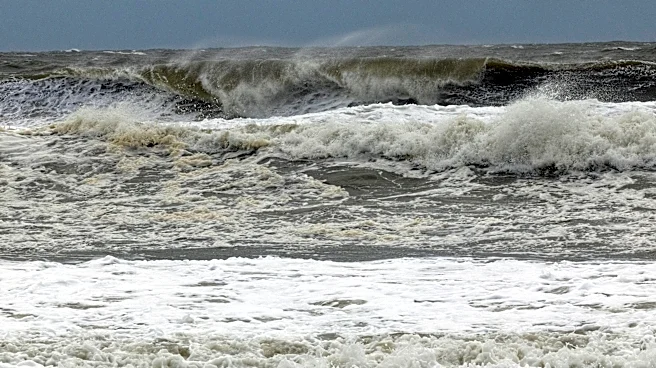
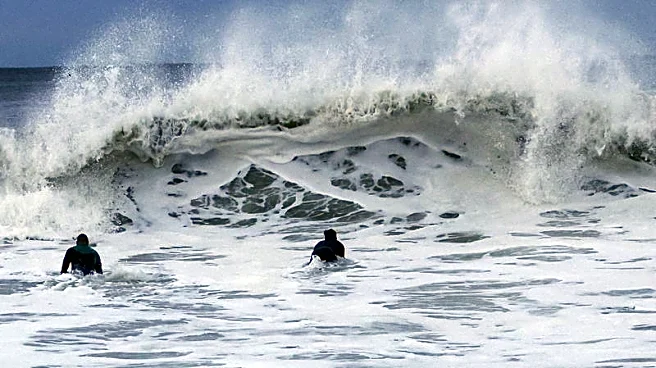
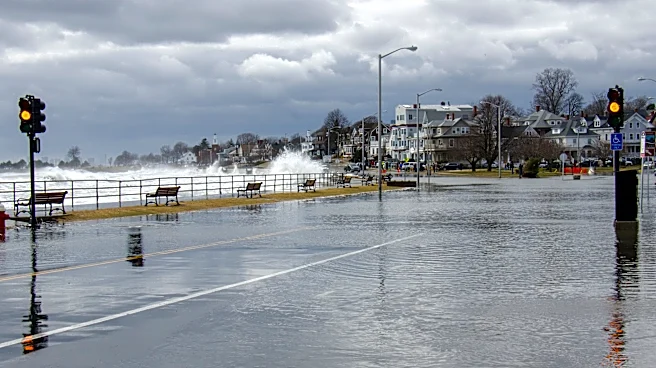
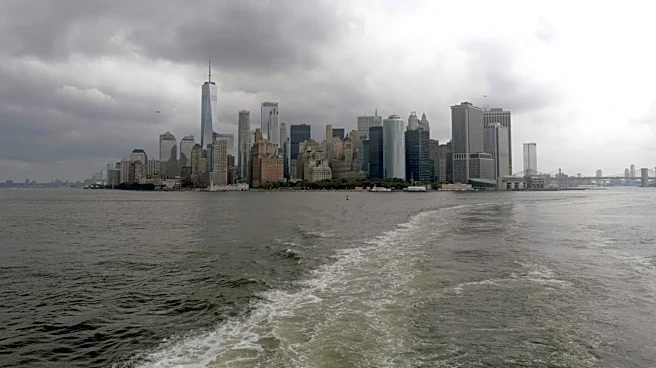
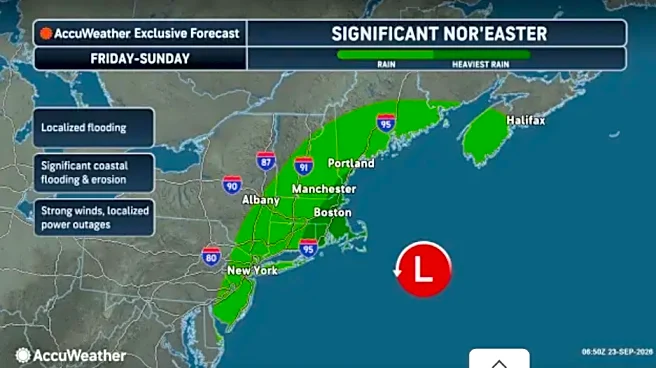
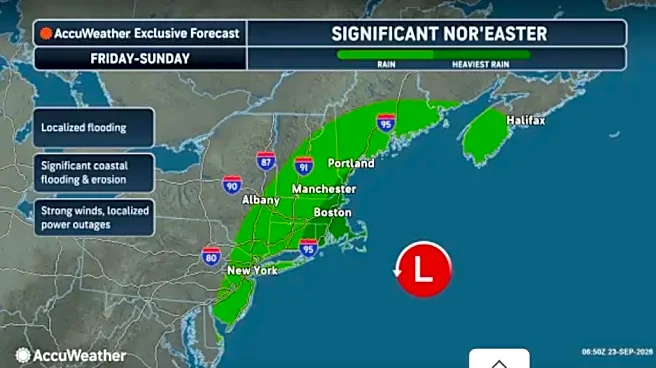
Governor Kathy Hochul has declared a State of Emergency for Bronx, Kings, Nassau, New York, Queens, Richmond, Suffolk, and Westchester Counties in response to a coastal storm impacting New York State. The storm, which began on Friday morning, is expected
to continue through Sunday, bringing high winds, dangerous surf, and potential flooding. Governor Hochul has urged residents, particularly those in shoreline and low-lying coastal communities on Long Island, New York City, and the lower Mid-Hudson, to take necessary precautions. The State Emergency Operations Center has been activated for enhanced monitoring, with the most severe impacts anticipated from Friday night through Sunday morning. Coastal flooding is a primary concern, especially during high tide cycles, with a Coastal Flood Warning issued for affected areas. Strong winds, with gusts up to 60 mph, are expected to cause power outages and downed trees. State agencies, including the Department of Transportation and the Thruway Authority, have mobilized personnel and equipment to respond to the storm's effects.
Why It's Important?
This State of Emergency is crucial for public safety and infrastructure protection across a significant portion of New York State, including its most populous areas. The potential for widespread coastal flooding, strong winds, and power outages poses immediate risks to residents' lives and property. The activation of state emergency services and the pre-positioning of resources highlight the severity of the anticipated weather conditions. Economically, the storm could disrupt transportation, commerce, and daily life, leading to financial losses for businesses and individuals. The focus on protecting critical infrastructure and ensuring rapid response to emergencies is vital for minimizing damage and facilitating recovery efforts. The emphasis on accessible and affordable childcare, as mentioned by Governor Hochul in other contexts, underscores a broader commitment to economic stability and workforce participation, which could be indirectly affected by such widespread disruptions.
What's Next?
New Yorkers in the affected counties are advised to remain vigilant, monitor local forecasts, and adhere to safety guidelines issued by state and local authorities. The State Emergency Operations Center will continue enhanced monitoring throughout the storm's duration. Utility companies have workers available statewide to support power restoration and repairs. Transportation agencies will manage road conditions and provide real-time updates. Residents are encouraged to secure outdoor items, prepare for potential power outages, and avoid driving through flooded roads. The long-term implications will involve assessing the damage, initiating recovery efforts, and potentially reviewing and enhancing coastal resilience measures to better withstand future severe weather events. The state's ongoing efforts to streamline regulations and invest in infrastructure, as highlighted by Governor Hochul, will be tested and potentially reinforced by the lessons learned from this storm.
Beyond the Headlines
Beyond the immediate concerns of the coastal storm, this event underscores the increasing frequency and intensity of extreme weather phenomena, likely influenced by climate change. The state's response and recovery efforts will serve as a case study for climate adaptation strategies in densely populated coastal regions. The emphasis on public awareness and preparedness also highlights the evolving role of government in communicating risks and empowering citizens to take proactive measures. Furthermore, the storm's impact on infrastructure and daily life could indirectly influence ongoing policy discussions regarding climate resilience, urban planning, and emergency management funding. The event also subtly connects to broader economic initiatives, such as the need for accessible childcare, as disruptions like these can disproportionately affect working families and exacerbate existing societal inequalities.