




What's Happening?
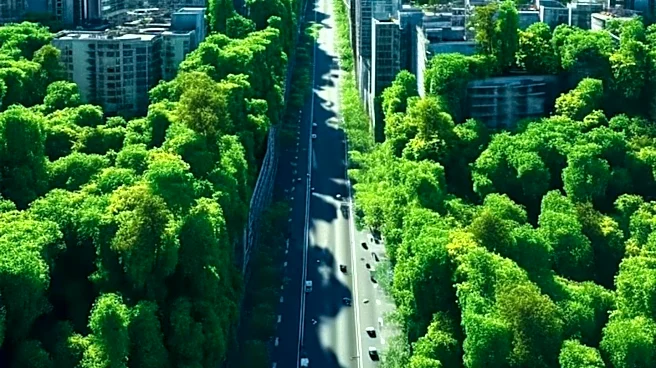
The 12th World Green Infrastructure Congress, organized by the University of Lleida, highlighted practical and scalable solutions for greener cities through the European LIFE Programme. CINEA Director Paloma Aba Garrote emphasized that LIFE projects translate
policy ambitions into practical actions, addressing issues like heatwaves, flooding, biodiversity loss, and air pollution. The BIG4LIFE project, for instance, utilizes Building Integrated Greenery (BIG) systems such as green roofs and living façades to transform urban spaces and reduce temperatures. This project has demonstrated up to an 80% reduction in water consumption through innovative energy and irrigation management systems, a significant benefit for Mediterranean cities facing water stress. The Pérez-Iborra School in Barcelona features a green roof garden with biodiversity elements, a vegetable garden, rainwater harvesting, and solar panels, serving as an outdoor classroom for sustainability education. Additionally, the LIFE Ebro Resilience project in Zaragoza uses nature-based solutions to restore the Ebro river basin and help local communities adapt to flood risks, benefiting over 22,000 residents.
Why It's Important?
The initiatives showcased by the European LIFE Programme are crucial for developing climate-resilient cities, offering models that could be adapted and implemented globally, including in the United States. The focus on green infrastructure provides tangible solutions to urban environmental challenges, which are increasingly relevant for U.S. cities grappling with similar issues like extreme weather events, water scarcity, and air quality concerns. The success of projects like BIG4LIFE in reducing water consumption by up to 80% highlights the potential for significant resource savings and environmental benefits. This approach can inform U.S. urban planning and policy, encouraging investment in sustainable infrastructure that improves public health, enhances biodiversity, and mitigates the impacts of climate change. The educational component, as seen at the Pérez-Iborra School, also underscores the importance of fostering environmental awareness and citizen participation in sustainability efforts.
What's Next?
The monitoring and participatory maintenance model of BIG4LIFE is being replicated in Genoa and Athens, with further rollout planned in Warsaw, indicating a broader adoption of these green infrastructure solutions across Europe. The LIFE Ebro Resilience project plans to extend its measures across 307 km of riverbed, potentially reaching up to 1 million citizens, demonstrating a commitment to scaling up successful nature-based solutions. For the U.S., these European developments could serve as case studies for urban planners and policymakers exploring similar green initiatives. Continued research and data collection, like that from the smart monitoring system on the Pérez-Iborra School's green roof, will provide valuable insights into the long-term effectiveness and benefits of green infrastructure. This ongoing evaluation will be critical for informing future investments and policy decisions aimed at creating healthier, more resilient, and more livable cities.
Beyond the Headlines
The emphasis on green infrastructure and nature-based solutions represents a broader shift in urban development philosophy, moving beyond traditional concrete-heavy approaches to integrate ecological systems into city planning. This shift has profound ethical and cultural implications, promoting a more harmonious relationship between urban populations and the natural environment. The concept of a 'green roof garden' as an outdoor classroom, for instance, highlights the potential for urban spaces to become living laboratories for environmental education, fostering a deeper connection to nature from a young age. Legally, the success of these projects could influence zoning laws, building codes, and public funding priorities, encouraging the widespread adoption of sustainable building practices. Culturally, the integration of green spaces can enhance community well-being, provide recreational opportunities, and contribute to a sense of place, ultimately transforming how urban residents perceive and interact with their surroundings.