









What's Happening?
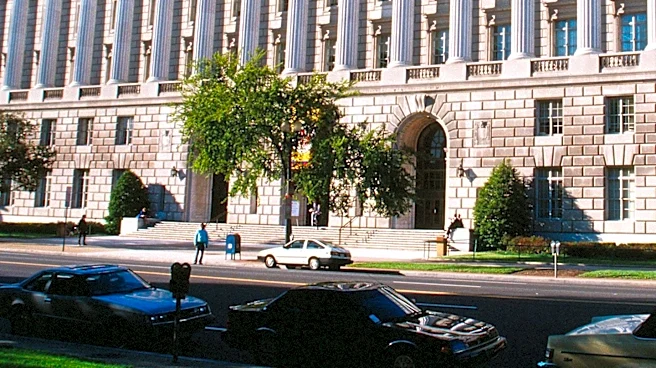
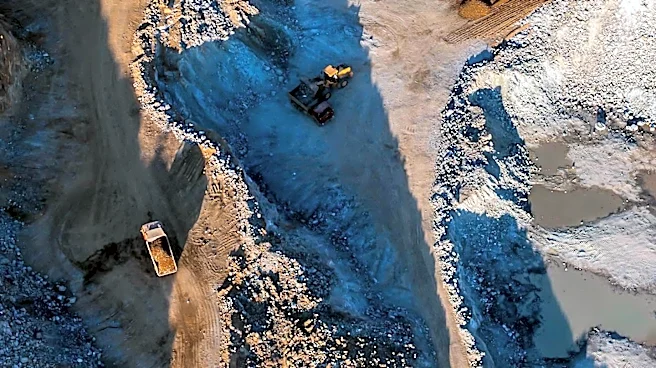
The U.S. Army Corps of Engineers has extended the timeline for Canadian mining company Graphite One's proposed graphite mine on the Seward Peninsula by requiring a more comprehensive Environmental Impact Statement (EIS) instead of an Environmental Assessment.
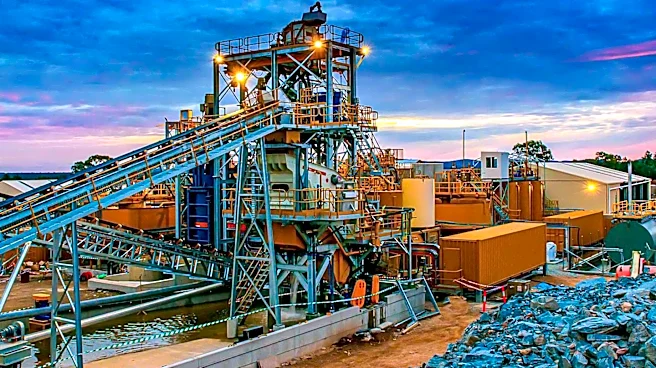
This decision adds a year to the permitting process for the project, which aims to produce millions of tons of raw graphite, a crucial component in battery production. Graphite One has expressed support for the Corps' decision, with CEO Anthony Huston stating that the company has been preparing for this level of review and remains confident in opening the mine by 2029. The decision has been welcomed by local stakeholders, including the Bering Straits Native Corporation and the Norton Bay Watershed Council, who see it as a win for environmental and cultural impact analysis. The Corps also plans to conduct a Section 106 review under the National Historic Preservation Act, considering the effects on historic properties, as ancient Indigenous artifacts have been found on the site.
Why It's Important?
The requirement for a more thorough environmental review highlights the growing emphasis on environmental and cultural considerations in large-scale industrial projects. This decision could set a precedent for future mining and infrastructure projects, ensuring that environmental and cultural impacts are thoroughly assessed. For the local communities, particularly the tribes of Brevig Mission, Teller, and Mary's Igloo, this decision provides an opportunity to address concerns about potential risks to subsistence resources. The delay also underscores the challenges faced by companies in navigating regulatory processes, which can impact project timelines and financial planning. For the U.S., the development of domestic sources of critical minerals like graphite is crucial for reducing dependency on foreign supply chains, particularly in the context of increasing demand for battery materials.
What's Next?
Graphite One plans to continue engaging with local communities and stakeholders, with a meeting scheduled in Brevig Mission on July 28. The U.S. Army Corps of Engineers will proceed with the Environmental Impact Statement and Section 106 review, which will involve further public consultations and assessments of the project's impact on historic properties. The federal permit process is now expected to be completed by September 2027, with the mine potentially opening by 2029. The outcome of these reviews could influence the project's future, including potential modifications to address environmental and cultural concerns. Stakeholders will be closely monitoring the process to ensure that their interests and concerns are adequately addressed.