



What's Happening?
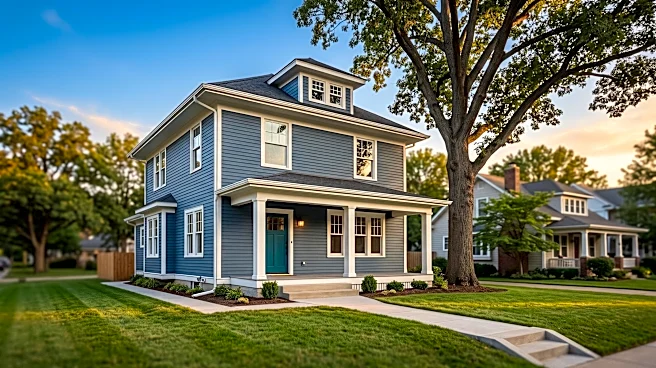
Two century-old, vacant houses in Davenport have been renovated and transformed into new homes for refugee families. This 18-month project, costing $180,000, was a collaborative effort led by Tapestry Farms and First Presbyterian Church. The initiative
aims to provide welcoming residences for refugee families from Afghanistan and Sudan, who are resettling in the area. The renovation project not only addresses the housing needs of these families but also revitalizes older properties within the Davenport community. This effort highlights a community-driven approach to refugee support, focusing on providing stable and welcoming environments for those displaced from their home countries.
Why It's Important?
This project is important as it directly addresses the critical need for housing for refugee families, offering them a stable foundation as they integrate into a new country and community. Providing renovated homes helps alleviate the immediate challenges faced by refugees, such as finding affordable and suitable living spaces, which is often a significant barrier to successful resettlement. Beyond shelter, these homes offer a sense of security and belonging, crucial for families who have experienced displacement and trauma. The collaboration between Tapestry Farms and First Presbyterian Church demonstrates the power of community partnerships in tackling social issues and fostering humanitarian aid at a local level. This initiative also contributes to urban revitalization by repurposing vacant properties, turning potential liabilities into valuable community assets. It sets an example for other communities on how to effectively support refugee populations through practical and compassionate solutions.
What's Next?
With the renovations complete, the next step will be the placement of refugee families from Afghanistan and Sudan into these newly prepared homes. Tapestry Farms and First Presbyterian Church will likely continue to provide support services to these families, assisting with their integration into the Davenport community. This could include help with language acquisition, employment, education, and navigating local resources. The success of this project may inspire similar initiatives in Davenport or other cities, potentially leading to more partnerships between faith-based organizations, non-profits, and local governments to address housing and resettlement needs. The long-term impact will be observed in the successful integration and well-being of the refugee families and the continued revitalization of the community through such efforts.
Beyond the Headlines
This initiative goes beyond simply providing housing; it represents a profound act of community welcome and integration. By transforming vacant houses into homes, the project symbolically and practically bridges gaps between different cultures and experiences. It challenges perceptions of refugees by demonstrating a tangible commitment to their well-being and successful resettlement. The involvement of a church highlights the role of faith-based organizations in humanitarian efforts and community building. This project also subtly addresses broader societal issues such as housing affordability and urban decay, showcasing how targeted interventions can yield multiple benefits. It fosters a more inclusive and compassionate society, demonstrating that local communities can play a significant role in global humanitarian challenges by offering practical solutions and a warm embrace to those seeking refuge.