





What's Happening?
Panamanian President José Raúl Mulino has publicly defended his government's performance, emphasizing its commitment to executing public works and fulfilling campaign promises. Mulino stated that his administration prioritizes tangible results that improve
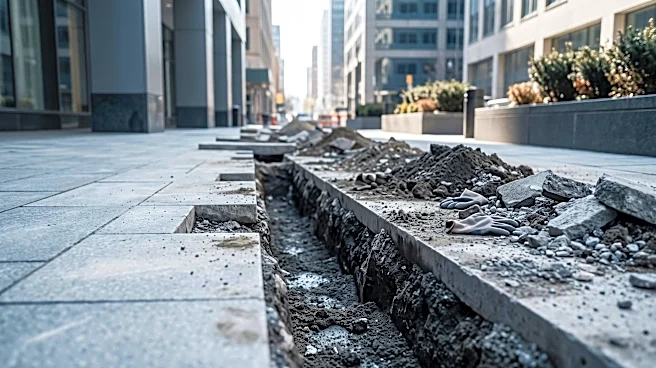
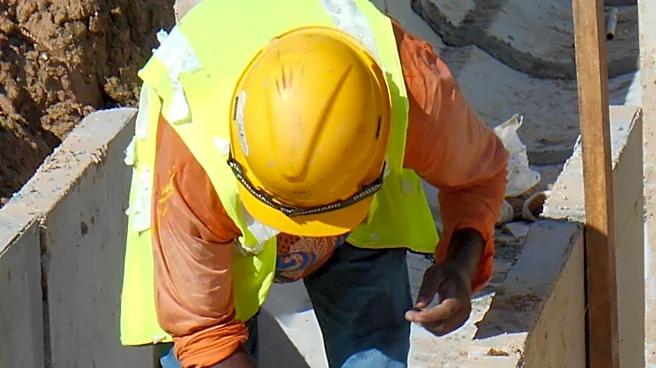
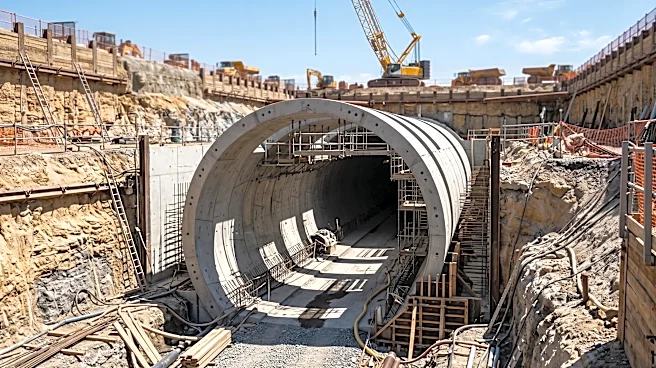
the quality of life for Panamanians, rather than seeking popularity on social media platforms. He explicitly distanced himself from being a 'TikTok president' and acknowledged not being 'the most charismatic,' but argued that concrete infrastructure projects, such as the tunnel connecting Farfán and Albrook for Metro Line 3, are more impactful than viral challenges or smiles. He highlighted several completed projects, including the Colón Hospital, Bugaba Hospital, San Isidro Polycenter, and the country's first oncology center with radiotherapy in the interior. Additionally, his administration has delivered over 7,000 homes, 50 schools, and 14 agricultural marketing institute stores.
Why It's Important?
President Mulino's stance underscores a governance philosophy that prioritizes infrastructure development and service delivery as the primary means of improving citizen welfare. This approach suggests a focus on long-term societal benefits and economic growth through physical improvements, potentially leading to enhanced public services, better connectivity, and job creation within the construction sector. By downplaying social media engagement, Mulino is signaling a preference for traditional metrics of success, such as project completion and tangible outcomes, over digital popularity. This could influence public perception of leadership effectiveness, shifting focus from online presence to real-world impact. The emphasis on fulfilling commitments also aims to build trust in government, which is crucial for political stability and investor confidence in national development projects.
What's Next?
President Mulino's administration plans to continue its focus on public works, with several major projects slated for completion before the end of his term. These include a new oncology center in the capital, the fourth bridge over the Panama Canal, the San Miguelito cable car, and the renovation of the Metrobus system. Additionally, the Caribbean corridor of Colón and the Howard water treatment plant are expected to be finished. The government also intends to complete the expansion of the Centenario road and the Arraiján-La Chorrera highway, aiming to reduce commuting times for citizens. These ongoing and planned projects indicate a sustained effort to modernize Panama's infrastructure and address long-standing issues related to urban development and public services.
Beyond the Headlines
President Mulino's remarks highlight a broader debate in modern politics regarding the role of social media and public image versus substantive policy and project execution. His rejection of the 'TikTok president' label suggests a critique of leadership styles that may prioritize superficial engagement over tangible governance. This approach could resonate with segments of the population that value concrete improvements in their daily lives over digital interactions. It also raises questions about the evolving expectations of leadership in an increasingly digital world and whether a focus on traditional governance can effectively counter the pervasive influence of social media. The long-term success of Mulino's strategy will depend on the visible impact of these public works on the lives of Panamanians and whether this translates into sustained public approval, despite a less 'charismatic' online presence.