




What's Happening?
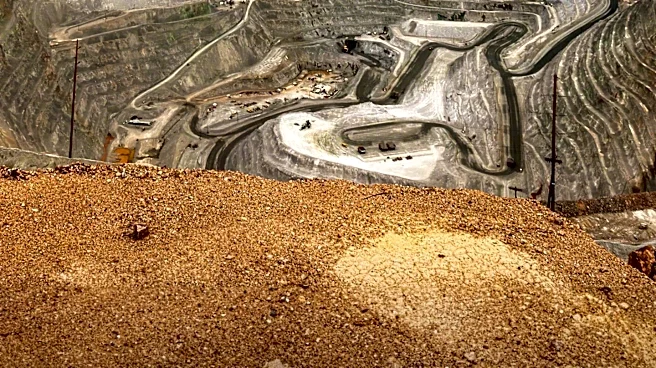
Environmental and health organizations are calling on Colorado Governor Jared Polis' administration to address ongoing clean air violations at the West Elk coal mine in western Colorado. According to Jeremy Nichols, a senior advocate at the Center for
Biological Diversity, the mine, which is the largest in Colorado, has been violating limits on volatile organic compound (VOC) air pollution due to methane gas venting. These VOCs are harmful to human health and the environment, contributing to ground-level ozone, a key component of smog. The mine's methane venting operations are also identified as the state's largest single industrial source of methane, releasing the equivalent of nearly 300,000 tons of carbon dioxide in 2023. Monitoring reports indicate that the mine has released almost four times the legally permitted amount of volatile compounds, triggering requirements under the Clean Air Act to install pollution controls. Despite a notice of VOC violations issued by the Colorado Air Pollution Control Division on August 20, the mine has not yet implemented these controls.
Why It's Important?
The unchecked air pollution from the West Elk coal mine poses significant health and environmental risks to Coloradans. Volatile organic compounds are known to be detrimental to public health and contribute to the formation of smog, impacting air quality across the region. Furthermore, methane, a potent greenhouse gas, released in such large quantities exacerbates climate change concerns. The failure to enforce Clean Air Act regulations undermines efforts to protect the environment and public health, potentially setting a precedent for other industrial operations. This situation highlights the ongoing tension between industrial activity and environmental protection, and the critical role of state administrations in upholding federal environmental laws. The groups involved emphasize that continued violations deny Coloradans their right to clean air and call into question the effectiveness of current regulatory oversight.
What's Next?
The coalition of environmental and health groups, including the Center for Biological Diversity, 350 Colorado, WildEarth Guardians, High Country Conservation Advocates, and the Sierra Club, has sent a letter to the directors of the Department of Public Health and Environment and the Air Pollution Control Division. They are demanding full and immediate enforcement of all clean air laws at the West Elk coal mine. While acknowledging the state's previous efforts to enforce compound limits, the groups are urging the administration to ensure the mine implements ongoing pollution controls in accordance with the Clean Air Act. The next steps will likely involve the Polis administration's response to these demands, potentially leading to increased regulatory action, fines, or mandated installation of pollution control technologies at the mine. The situation could also escalate into legal challenges if the environmental groups deem the state's response insufficient.
Beyond the Headlines
This issue extends beyond immediate environmental concerns, touching upon the broader implications of energy policy and corporate accountability. The West Elk coal mine's continued operation without adequate pollution controls raises questions about the balance between economic interests and environmental stewardship. It also highlights the challenges faced by regulatory bodies in enforcing environmental laws against large industrial entities. The case could influence future environmental policy decisions in Colorado and potentially other states with significant coal mining operations. It underscores the importance of robust monitoring and enforcement mechanisms to ensure compliance with environmental regulations and protect communities from industrial pollution. The public's right to clean air and the long-term health impacts of such emissions are central to this ongoing debate.