




What's Happening?
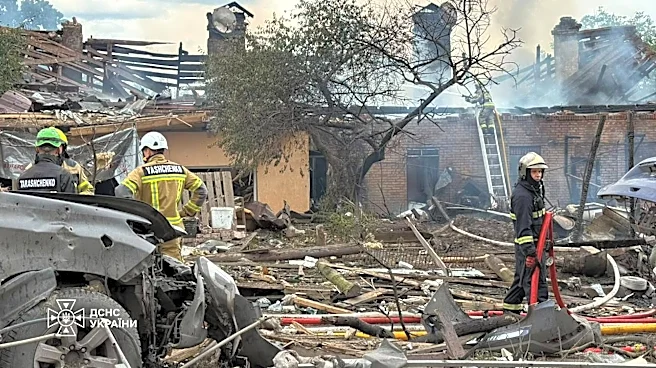
The Russian military is experiencing a severe fuel shortage due to Ukrainian drone strikes on key oil refineries. This shortage is impacting the availability and quality of fuel for Russian troops, particularly at the front lines. Soldiers report being
rationed to only 20 liters of gasoline per vehicle per day, with fuel only being issued to vehicles with military license plates. This policy affects the majority of frontline vehicles, which are privately owned by soldiers or donated. The shortage is causing operational challenges, as both combat and logistics vehicles are affected. Additionally, the quality of the available fuel is poor, leading to mechanical failures. The situation is exacerbated by the fact that soldiers can no longer resell fuel for personal gain, as supplies are limited.
Why It's Important?
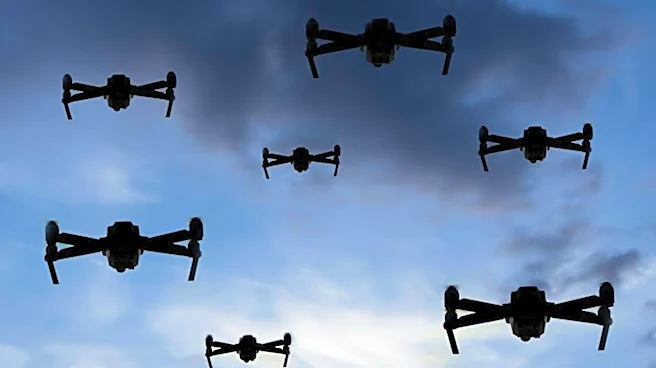
The fuel crisis poses significant operational challenges for the Russian military, potentially affecting their combat readiness and logistical capabilities. The shortage could hinder troop movements and supply lines, impacting Russia's military strategy in the ongoing conflict with Ukraine. The situation also highlights the effectiveness of Ukrainian drone strikes in disrupting Russian military operations. Furthermore, the crisis may lead to increased tensions within the Russian military, as soldiers face difficulties in maintaining their vehicles and fulfilling their duties. This development could have broader implications for the conflict, potentially influencing the balance of power and the strategic decisions of both Russia and Ukraine.
What's Next?
The ongoing fuel crisis may prompt Russia to seek alternative fuel sources or adjust its military strategies to cope with the shortages. The Russian government might also consider diplomatic or military responses to the Ukrainian strikes on its refineries. Additionally, the situation could lead to increased international scrutiny and pressure on Russia, as the conflict continues to impact regional stability. The Russian military may need to implement measures to improve fuel efficiency and manage resources more effectively. The crisis could also influence future negotiations or peace talks, as both sides assess their strategic positions.