




What's Happening?
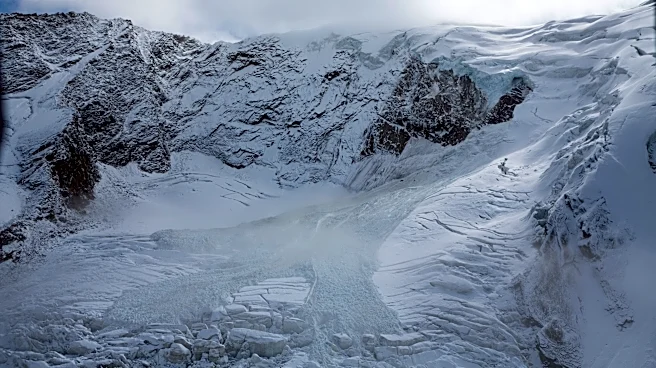
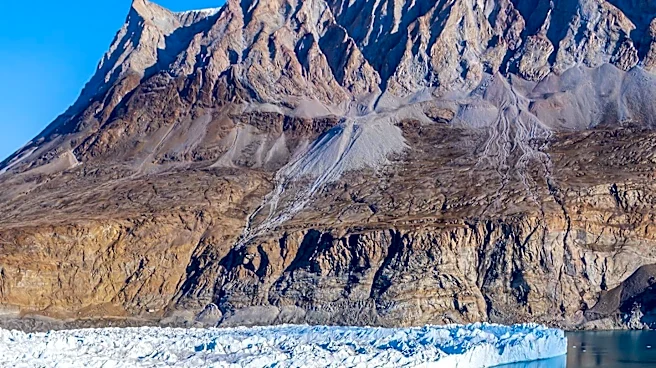
The ongoing melting of glaciers in the Swiss Alps is increasingly revealing the remains of individuals who disappeared decades ago. The most recent discovery occurred on July 26, when a hiker on the Trift Glacier found the remains of two Belgian mountaineers
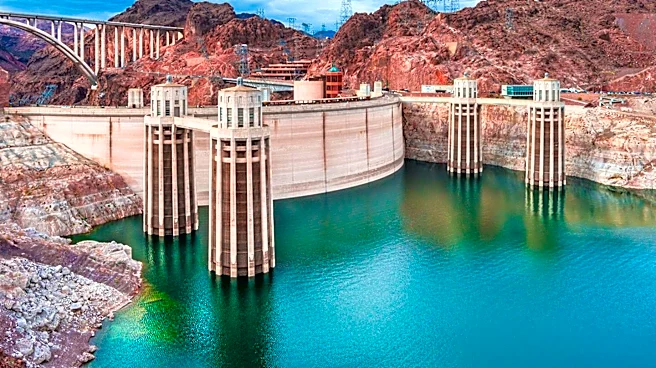
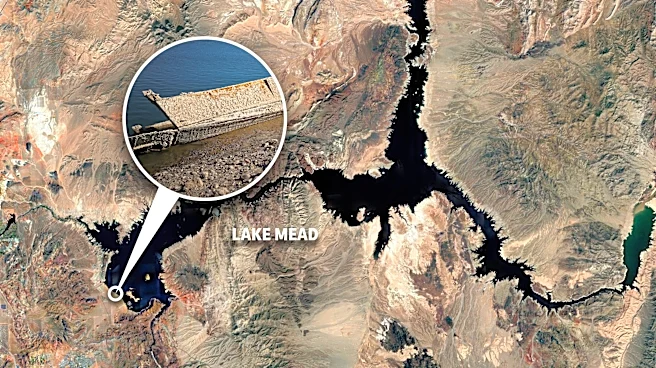
missing since 1992. DNA analysis confirmed their identities. Swiss authorities maintain records of missing persons dating back to 1925, primarily those lost in mountainous or aquatic environments, and note that such discoveries are becoming more frequent due to glacial retreat. Similarly, in the American Southwest, the receding waters of Lake Mead outside Las Vegas have also led to the discovery of human remains. On August 16, authorities found another set of remains, adding to previous discoveries, including a body found in a barrel in 2022, believed to be a homicide victim from the 1970s or 1980s.
Why It's Important?
These discoveries underscore the tangible and often somber consequences of climate change and environmental shifts. The melting glaciers and receding water levels are not only altering landscapes but also bringing to light historical mysteries and tragedies. For families of the missing, these findings offer closure, albeit under distressing circumstances. Environmentally, these events serve as stark reminders of the rapid pace of climate change and its impact on natural ecosystems. The revelations at Lake Mead, in particular, highlight how environmental changes can expose hidden aspects of human history, including potential criminal activities, and challenge law enforcement with cold cases. The ongoing nature of these discoveries suggests that more remains are likely to be found as these natural processes continue, prompting both scientific and societal responses.
What's Next?
Authorities in both regions will continue their efforts to identify the newly discovered remains and investigate the circumstances surrounding their deaths. In the Swiss Alps, police will cross-reference findings with their extensive missing persons records. At Lake Mead, the Clark County Coroner's Office will work to determine the cause and manner of death for the recently found remains, and law enforcement will continue to investigate any potential criminal connections. The increasing frequency of these discoveries will likely prompt further discussions and research into the long-term impacts of climate change on human history and forensic science. Communities and scientific bodies may also explore new methods for managing and documenting these findings, as well as strategies for addressing the broader implications of environmental change.
Beyond the Headlines
The uncovering of human remains due to environmental changes carries profound ethical and cultural implications. It forces societies to confront the past, both personal and collective, in unexpected ways. For the families involved, it reopens old wounds and offers a chance for resolution, highlighting the enduring human need for closure. Culturally, these events can reshape narratives about historical events, local legends, and even criminal histories. The Lake Mead discoveries, for instance, intertwine with the lore of Las Vegas and organized crime, adding a new dimension to the city's past. Scientifically, these findings provide unique opportunities for forensic anthropology and climate research, offering insights into past environments, human activities, and the processes of decomposition in extreme conditions. The ongoing nature of these revelations also raises questions about how societies will adapt to a future where the past is continually unearthed by environmental shifts.