







What's Happening?
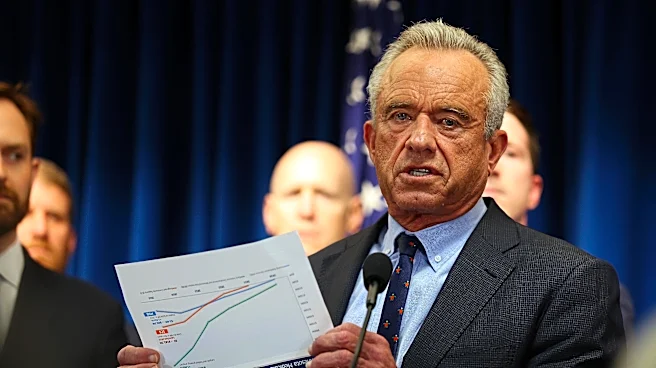
Health and Human Services (HHS) Secretary Robert F. Kennedy Jr. has announced an interim enforcement discretion policy allowing broader use of six previously restricted peptides: BPC-157, KPV, TB-500, MOTS-c, Epitalon, and Semax. This decision was made
against the advice of the Food & Drug Administration (FDA). The policy permits compounding pharmacies to prepare these peptides without HHS enforcement action, provided they adhere to specific regulations. These regulations include sourcing raw ingredients from FDA-registered manufacturers following good manufacturing practices, possessing a certificate of analysis for purity and lack of contaminants, ensuring each product contains only one peptide, and limiting peptides to specific forms (e.g., intranasal for Semax). The peptides will still require a prescription from a licensed physician and cannot be purchased over the counter. Secretary Kennedy has been a vocal advocate for peptide use, stating that this policy aims to discourage the use of research-use-only peptides from foreign manufacturers that may pose safety risks to U.S. patients, while advancing patient choice and safety.
Why It's Important?
This move by Secretary Kennedy sets a significant precedent by sidestepping the FDA's traditional regulatory process for drug approval. None of the six peptides have undergone the rigorous FDA approval process, meaning they lack the safeguards associated with FDA-approved substances. This decision raises concerns among medical professionals and legal experts about patient safety, as it allows substances without full FDA vetting to be more widely available. The policy reflects a tension between promoting patient choice and maintaining stringent safety standards in drug regulation. It could also influence future regulatory approaches to novel medicines, potentially leading to a more flexible, yet potentially less scrutinized, pathway for other emerging treatments. The decision highlights a growing debate on how to balance innovation and access to new therapies with established safety protocols, particularly as the landscape of drug development evolves with new technologies and compounds.
What's Next?
The interim enforcement discretion policy is now in effect, allowing compounding pharmacies to begin preparing and dispensing the six specified peptides under the outlined conditions. Stakeholders, including medical professionals, patient advocacy groups, and pharmaceutical companies, will likely monitor the implementation and impact of this policy closely. The FDA's response to this sidestepping of its authority remains a key area to watch; it could issue further guidance or warnings regarding the unapproved status of these peptides. There may also be increased public discourse and debate regarding the role of the HHS Secretary in making such decisions independently of the FDA's recommendations. Future legislative or regulatory actions could be proposed to either support or challenge this new approach to peptide access, potentially shaping the future of drug regulation in the U.S.
Beyond the Headlines
This decision by Secretary Kennedy could signal a broader shift in how the U.S. government approaches the regulation of emerging medical treatments, particularly those that fall into a 'gray market' area. By moving these peptides from unregulated overseas sources into a more controlled domestic compounding environment, the HHS aims to mitigate risks associated with contamination and poor manufacturing. However, it also opens the door to questions about the scientific rigor applied to such decisions and the potential for political influence in health policy. The move could empower a 'peptide revolution,' as some suggest, where novel medicines become more accessible without the traditional lengthy and expensive FDA approval process. This could lead to a re-evaluation of the FDA's role and the balance between patient autonomy, medical innovation, and public health protection in an era of rapidly advancing biomedical science.