
What's Happening?
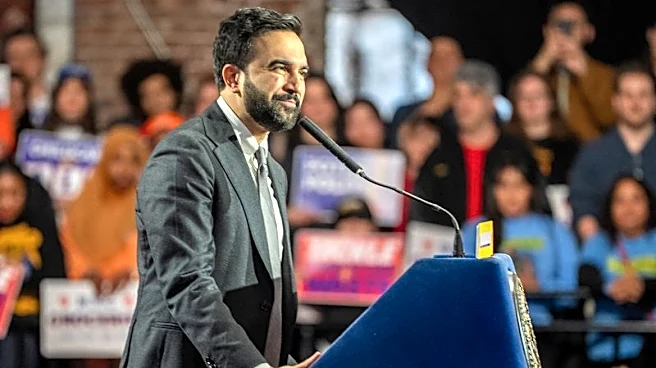
New York City is set to expand its trash containerization program to include six additional districts across all five boroughs by the end of 2027. Mayor Zohran Mamdani announced that the Department of Sanitation
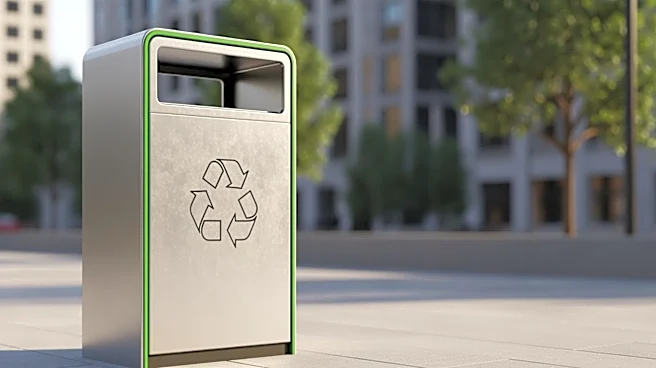
(DSNY) will implement fully containerized trash collection in these districts, aiming for citywide containerization by 2031. The initiative will introduce Empire Bins, which are large containers collected by automated side-loading garbage trucks. The expansion will cover areas such as Brooklyn District 8, Bronx Districts 2 and 5, Queens District 2, Staten Island District 1, and Manhattan District 2. This move follows the successful pilot program in West Harlem, which became the first neighborhood in North America to fully containerize its trash. The program is expected to use over 6,500 Empire Bins across more than 3,500 medium- and high-density buildings.
Why It's Important?
The expansion of trash containerization in New York City is significant as it aims to address longstanding issues of waste management and cleanliness in urban areas. By reducing the presence of trash bags on sidewalks, the program is expected to improve the city's aesthetic appeal and reduce rodent populations. The initiative also represents a shift towards more sustainable and efficient waste management practices, potentially setting a precedent for other cities facing similar challenges. The financial investment in this program, with an additional $15 million in the city's expense budget and $35.5 million in capital funding, underscores the city's commitment to improving public sanitation and urban living conditions.
What's Next?
As the program rolls out, stakeholders such as local businesses and residents will need to adapt to the new waste management system. The DSNY will continue to monitor the program's effectiveness and make necessary adjustments. The success of this initiative could lead to further innovations in urban waste management and inspire similar programs in other cities. Additionally, the city will need to ensure that the infrastructure and technology used in the program are maintained and updated as needed to sustain its benefits.