





What's Happening?
The Trump administration's military campaign against suspected drug trafficking boats in the Caribbean Sea and eastern Pacific Ocean has resulted in a death toll of at least 199 people. This campaign, which began in September, has been marked by controversy,
particularly due to reports of survivors being targeted in subsequent strikes. The U.S. Southern Command has been coordinating with the U.S. Coast Guard to notify them of any survivors, but these reports are often passed to countries closer to the strike locations. Legal experts have raised concerns that targeting survivors may violate laws governing armed conflict.
Why It's Important?
The military strikes highlight the U.S. government's aggressive stance against Latin American drug cartels, which has significant implications for international law and human rights. The campaign has drawn criticism for potentially violating the laws of armed conflict, raising ethical and legal questions about the conduct of military operations. The situation also underscores the complexities of international cooperation in drug enforcement and the challenges of balancing national security interests with adherence to international legal standards.
What's Next?
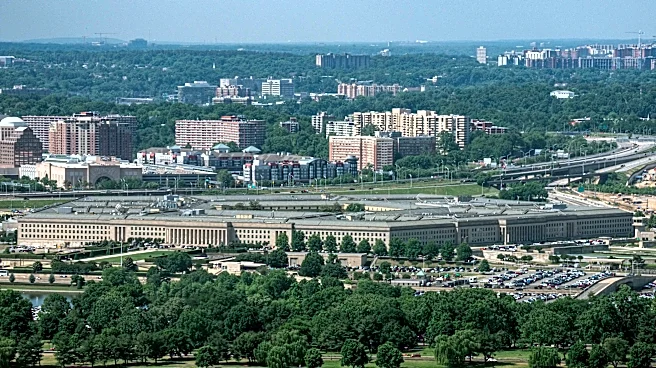
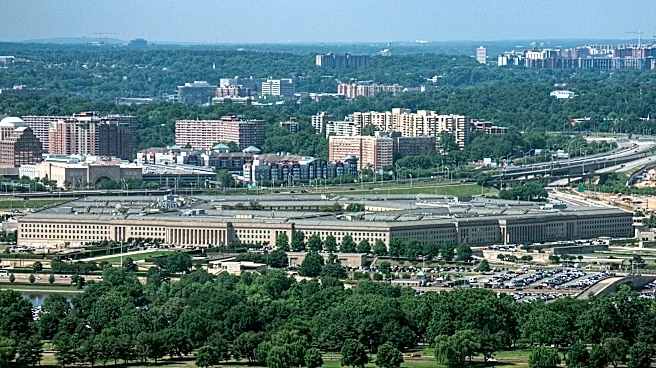
The Pentagon's inspector general plans to evaluate whether the U.S. military followed an established targeting framework during these operations. This review will focus on the Joint Targeting Cycle, though it will not address the legality of the strikes. The outcome of this evaluation could influence future military strategies and policies regarding drug enforcement operations in international waters.