







What's Happening?
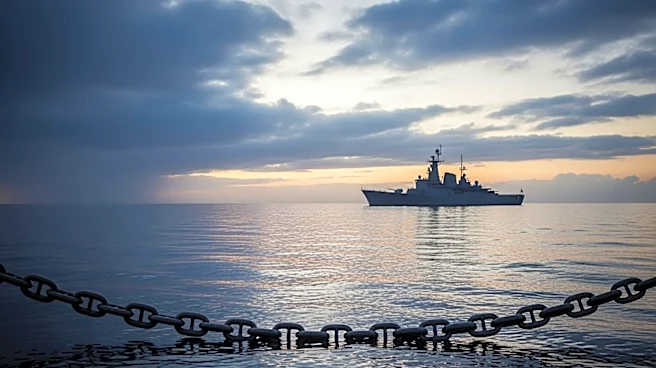
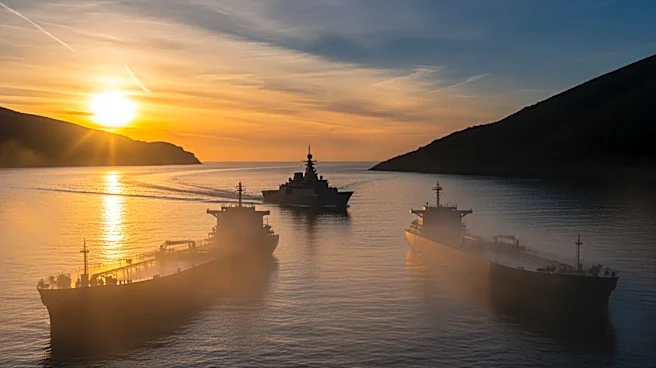
US oil prices fell below $100 per barrel after China's Defense Minister Admiral Dong Jun announced that Chinese vessels would continue transiting the Strait of Hormuz under existing agreements with Iran. This move challenges the US naval blockade imposed
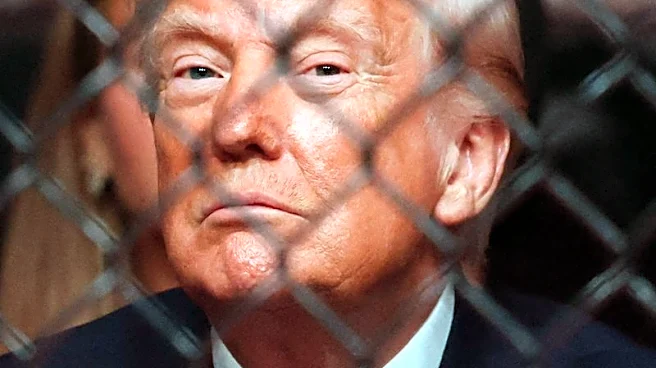
by President Trump following the collapse of US-Iran talks. The blockade was intended to pressure Iran into reaching a deal by April 27. China's involvement adds a new dimension to the standoff, as it is Iran's largest oil export destination. The oil market reacted to this development, with prices initially rising above $104 before dropping.
Why It's Important?
China's decision to defy the US blockade in the Strait of Hormuz has significant implications for global oil markets and geopolitical relations. As the world's second-largest economy, China's actions could undermine the effectiveness of the US blockade, potentially stabilizing or further increasing oil prices. This situation also highlights the complex interplay between major global powers and their economic interests, particularly in the energy sector. The US may attempt to leverage this situation to pressure China into influencing Iran's decision-making, but the direct challenge from China complicates diplomatic efforts.
What's Next?
President Trump has set a new deadline of April 27 for Iran to reach a deal, warning of unpleasant consequences if the deadline is missed. As the deadline approaches, the oil market will closely monitor China's actions and their impact on the blockade's effectiveness. The US may seek diplomatic channels to address the situation, potentially involving negotiations with China to influence Iran. The outcome of these developments could have lasting effects on US-Iran relations and the stability of global oil markets.