




What's Happening?
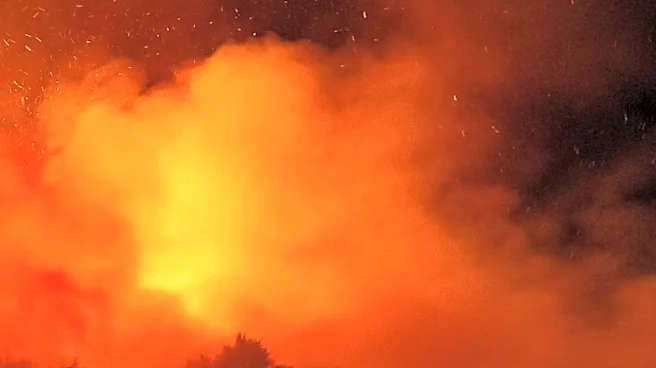
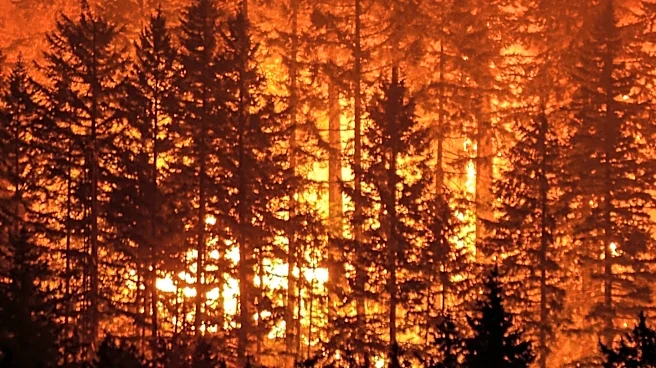
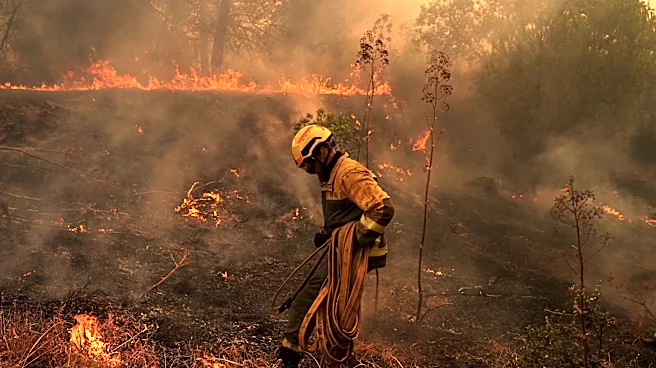
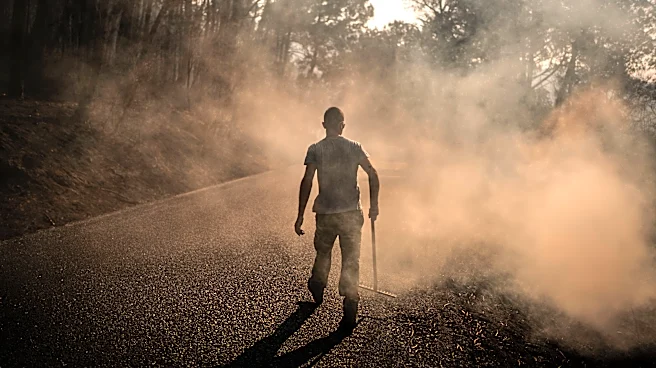
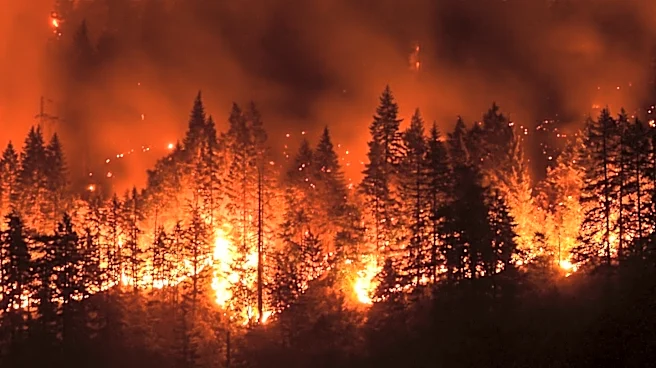
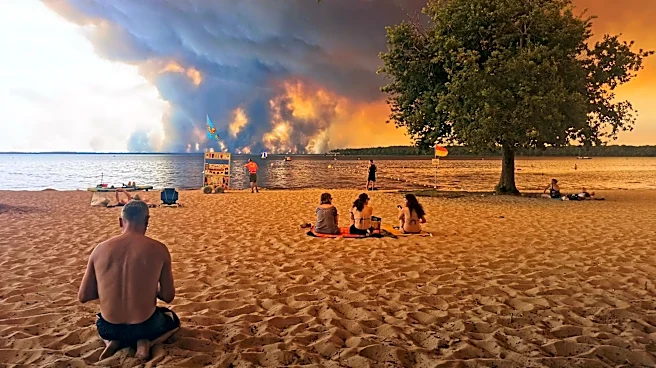
A recent report highlights a significant increase in wildfire activity across Southern Europe, attributed to climate change. Since 1981, the number of summer days with conditions conducive to wildfires has more than doubled. This trend is particularly
evident in countries like France and Spain, which have experienced some of their largest wildfires on record. The study, published in the Scientific Reports journal, points to global warming as the primary driver of these changes. As temperatures rise, regions are becoming more flammable, leading to more frequent and intense fires.
Why It's Important?
The intensification of wildfires in Southern Europe has profound implications for the region's environment, economy, and public safety. The increased frequency and severity of fires threaten biodiversity, destroy property, and pose significant risks to human life. Economically, the cost of firefighting efforts and the damage to infrastructure and agriculture can be substantial. The situation also serves as a stark reminder of the broader impacts of climate change, underscoring the urgent need for global action to mitigate its effects. For the U.S., these developments highlight the interconnected nature of climate challenges and the importance of international cooperation in addressing them.
What's Next?
As wildfires continue to pose a threat, affected countries are likely to enhance their firefighting capabilities and invest in preventive measures. This may include adopting new technologies, improving land management practices, and increasing public awareness. On a broader scale, the situation may prompt further discussions and actions at international climate forums, as countries seek to address the root causes of climate change. The U.S. and other nations may face increased pressure to commit to more ambitious climate goals and support global efforts to reduce greenhouse gas emissions.
Beyond the Headlines
The rise in wildfire activity in Southern Europe highlights the complex relationship between climate change and natural disasters. It raises questions about the adequacy of current policies and preparedness measures in addressing these challenges. The situation also underscores the need for a holistic approach to climate adaptation, integrating scientific research, policy-making, and community engagement. Long-term, the experience of Southern Europe could inform global strategies for managing climate-related risks and building resilience in vulnerable regions.