




What's Happening?
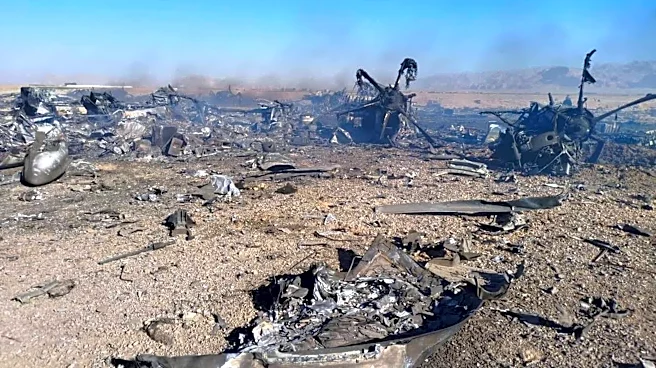
The United States conducted military strikes near Iran's Kharg Island, targeting military sites while avoiding key oil export infrastructure. This action is part of ongoing tensions in the region, which have contributed to volatility in global energy
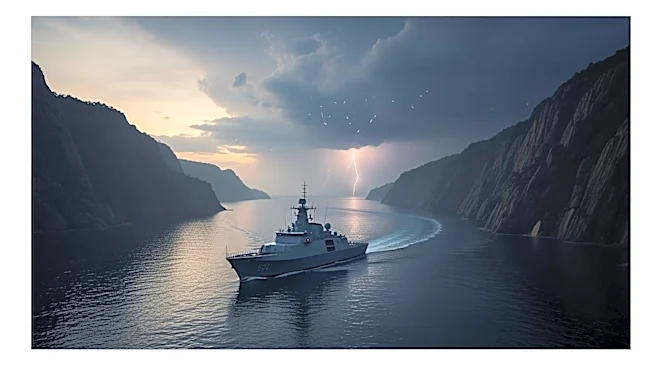
markets. The strikes targeted bunkers, radar systems, and ammunition storage facilities, but did not damage the energy infrastructure at Kharg Island, Iran's primary crude export hub. President Trump has emphasized the importance of restoring navigation through the Strait of Hormuz, a critical chokepoint for global oil flows. The conflict has disrupted shipping across the Persian Gulf, with missile and drone attacks raising safety concerns and increasing transport costs.
Why It's Important?
The military actions near Kharg Island underscore the heightened risk to global oil supplies, as the region is a critical hub for energy exports. The proximity of military activity to vital infrastructure highlights the potential for significant supply disruptions, which could lead to further increases in oil prices. The situation also reflects broader geopolitical tensions, with implications for international relations and energy security. The conflict has already affected shipping routes, increasing costs and risks for global trade. The ongoing hostilities could lead to a wider supply shock, impacting multiple producers in the region and potentially destabilizing global energy markets.
What's Next?
The situation in the Strait of Hormuz remains tense, with potential for further military escalation if diplomatic solutions are not reached. The U.S. may continue to pressure Iran to reopen the waterway, while Iran has warned of possible retaliation against energy infrastructure. Diplomatic channels remain open, with the possibility of negotiations to resolve the conflict. The international community will be closely monitoring developments, as any disruption in the Strait could have significant economic and political consequences. The risk premium associated with the region's critical export infrastructure is likely to persist, affecting global oil prices and market stability.