



What's Happening?
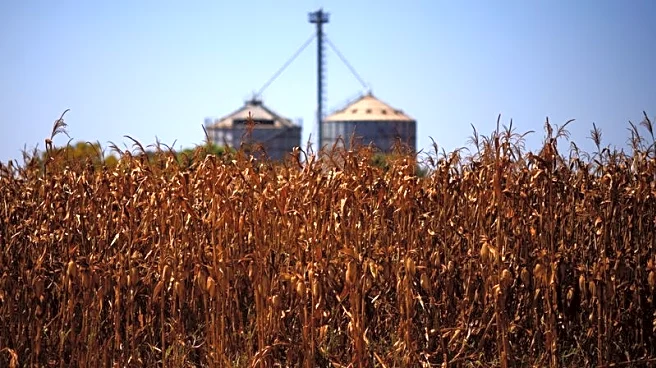
European Union agriculture ministers are set to meet for crucial talks regarding the Mercosur trade agreement, which aims to establish a free-trade area with Argentina, Brazil, Paraguay, and Uruguay. The meeting, organized by the European Commission,
will include EU Trade Commissioner Maroš Šefčovič, Agriculture Commissioner Christophe Hansen, and Commissioner for Health and Animal Welfare Olivér Várhelyi. The discussions will focus on providing clarifications about continued support for farmers' income under the Common Agricultural Policy. The deal has been contentious, with Germany and Spain advocating for a swift endorsement to access new markets, while Italy and France have delayed a vote to protect their farmers from competition with Latin American imports. The outcome of these talks could lead to a vote on the agreement by the end of the week.
Why It's Important?
The Mercosur deal is significant as it represents a major trade agreement that could reshape economic relations between the EU and Latin America. For the U.S., this development is crucial as it may influence global trade dynamics and affect American agricultural exports to the EU. The deal's potential to open new markets could lead to increased competition for U.S. farmers, particularly if EU markets become more accessible to Latin American agricultural products. Additionally, the agreement's focus on production standards and pesticide limits could set precedents for future trade negotiations involving the U.S., impacting regulatory standards and market access.
What's Next?
If the EU agriculture ministers reach a consensus, a vote on the Mercosur agreement could occur on Friday. France's demand for reciprocity in production standards and its call for tighter border controls on non-compliant imports may influence the final terms of the deal. The European Commission's proposed safeguard to monitor the European market could also play a role in the agreement's implementation. The outcome of these discussions will be closely watched by stakeholders, including U.S. agricultural exporters, who may need to adjust their strategies based on the final agreement.