


What's Happening?
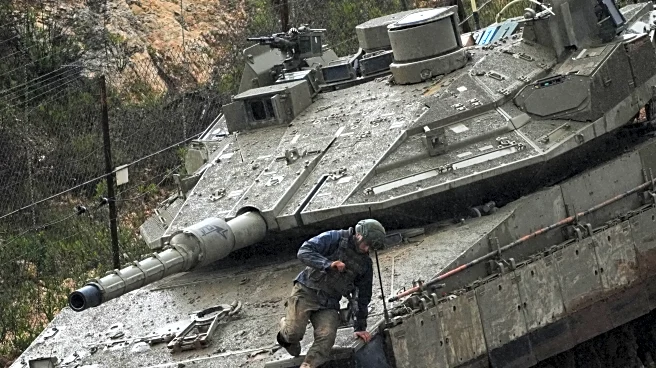
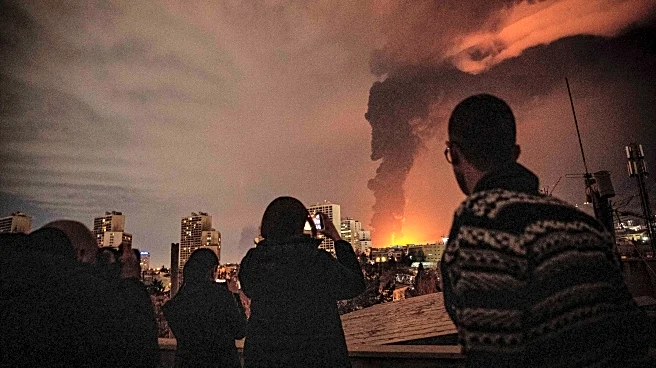
The BRICS alliance is experiencing internal divisions as it remains silent on recent military actions by the United States and Israel against Iran. Under India's current chairmanship, the bloc has not issued a collective statement, highlighting its limitations
in acting as a cohesive geopolitical force. This silence contrasts with the strong condemnation issued in June 2025 under Brazil's chairmanship. The lack of consensus is attributed to diverging geopolitical interests among member states, with China, Russia, and Brazil condemning the attacks, while India has taken a more cautious approach. The situation is further complicated by Iran's military actions against the United Arab Emirates, another BRICS member, raising questions about the bloc's internal cohesion.
Why It's Important?
The internal divisions within BRICS could undermine its credibility and effectiveness as a unified geopolitical actor. The bloc's inability to present a united front on significant international issues may weaken its influence on the global stage. This situation also highlights the challenges of maintaining cohesion among countries with diverse geopolitical interests. The upcoming BRICS summit in New Delhi will be a critical test of the alliance's ability to function as a coherent force. The outcome could impact the bloc's future role in reshaping global power dynamics and its ability to address international conflicts collectively.
What's Next?
The BRICS summit in New Delhi this September will be a pivotal moment for the alliance. Member states will need to address their internal divisions and find common ground to maintain their credibility and influence. The summit's outcome could determine the bloc's future direction and its ability to act as a unified geopolitical force. Observers will be watching closely to see if BRICS can overcome its current challenges and present a cohesive stance on international issues.