








What's Happening?
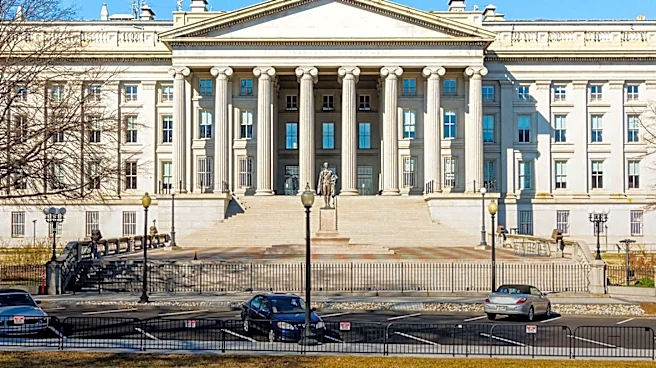
The U.S. Department of the Treasury and the Internal Revenue Service (IRS) have jointly announced new Opportunity Zone designations for more than 6,500 communities across the nation. These new designations are set to become effective on January 1, 2027.
Opportunity Zones were initially established by the Tax Cuts and Jobs Act of 2017 as a temporary, place-based tax incentive aimed at stimulating investment in economically distressed areas. The 'One Big Beautiful Bill Act,' also known as the Working Family Tax Cuts Act, subsequently made this incentive permanent and introduced a mechanism for renewing or redesignating eligible census tracts every decade. The Treasury Department identified over 25,000 eligible census tracts, from which governors were permitted to nominate up to 25% of their state's eligible tracts to be designated as Opportunity Zones. This initiative seeks to continue fostering economic development and job creation in underserved communities through targeted tax benefits for investors.
Why It's Important?
These new Opportunity Zone designations are significant for several reasons, primarily their potential to drive capital into underserved communities across the United States. By offering tax incentives, the program aims to attract private investment that might otherwise not flow into these areas, thereby fostering economic growth, job creation, and revitalization. For investors, the program provides substantial benefits, including the deferral of capital gains taxes on initial investments for five years for investments made after December 31, 2026. Additionally, these investments are eligible for a 10% basis step-up at the five-year mark, reducing the tax burden when gains are realized. The law also ensures a tax exclusion for new capital gains from qualifying investments held for at least 10 years. Rural Opportunity Zones receive enhanced benefits, including a 30% basis step-up after five years and a lowered substantial improvement threshold for properties, making them particularly attractive for development. This initiative could lead to significant infrastructure improvements, business expansion, and increased employment opportunities in the newly designated zones, benefiting residents and local economies.
What's Next?
With the new Opportunity Zone designations taking effect on January 1, 2027, stakeholders will be preparing for the implementation of these changes. Investors will begin evaluating opportunities within the newly designated zones, considering the enhanced tax benefits, particularly for rural investments. State and local governments in these designated communities will likely focus on attracting and facilitating these investments, potentially through local incentives or streamlined regulatory processes. The long-term success of these zones will depend on the quality and scale of investments attracted, as well as the ability of local communities to manage growth and ensure equitable distribution of benefits. The program's permanence, established by the 'One Big Beautiful Bill Act,' suggests a sustained effort to leverage private capital for community development, with future renewals and redesignations expected every 10 years, allowing for ongoing adjustments and expansions of the program.
Beyond the Headlines
The expansion of Opportunity Zones carries broader implications beyond immediate economic investment. It highlights a continued federal strategy to address regional economic disparities through tax policy, encouraging private sector participation in community development. The enhanced benefits for rural areas underscore a recognition of the unique challenges faced by these communities in attracting capital and fostering growth. This approach could lead to a re-evaluation of investment strategies by developers and funds, potentially shifting focus towards areas previously considered less viable. Ethically, the program's success will be measured not just by capital inflow but by its impact on existing residents, ensuring that development benefits the community without displacement or gentrification. Legally, the framework provides a stable, long-term incentive, but its effectiveness will require ongoing monitoring and potential adjustments to ensure it meets its intended goals of revitalizing distressed communities sustainably and equitably.