
What's Happening?
Exceptional drought conditions have re-emerged in the Texas Panhandle and western Oklahoma for the first time since July 2023, according to the National Weather Service Arkansas-Red Basin River Forecast
Center. The drought, classified as D4, is the most severe category and is affecting large parts of the Southern Plains. The region has experienced one of the driest and warmest starts to spring on record, with March 2026 ranking among the driest months. Approximately 89% of Texas and 99% of Oklahoma were in drought as of March 31, 2026. The drought is severely impacting agriculture, with some South Texas farmers halting operations due to worsening conditions and low commodity prices. Water supplies are also critically low, with reservoirs like Lake Corpus Christi and Choke Canyon falling below 9% capacity.
Why It's Important?
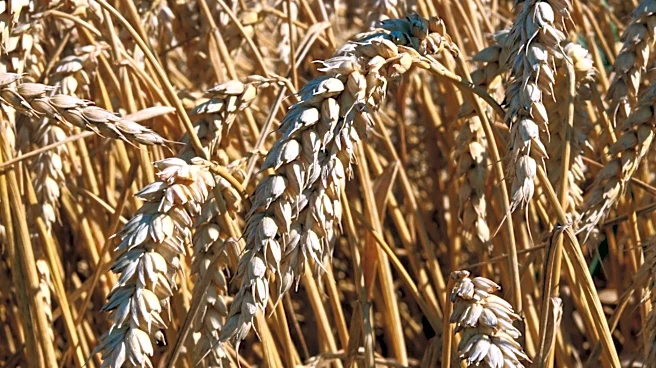
The return of exceptional drought conditions in Texas and Oklahoma poses significant challenges for agriculture and water management in the region. The drought is leading to widespread crop stress, particularly affecting winter wheat and oat crops, which are being repurposed for livestock grazing. The low water levels in key reservoirs threaten water availability for both agricultural and residential use. Additionally, the drought has increased the risk of wildfires, with over 1.1 million acres burned across the High Plains by March 23, 2026. These conditions could lead to economic losses for farmers and increased costs for water management and firefighting efforts.
What's Next?
Forecasts indicate that very dry conditions are expected to persist across western parts of the Arkansas-Red Basin, with some potential rainfall relief in eastern areas. The NOAA outlooks suggest above-normal temperatures and below-normal precipitation for the region during the April-to-June period. This ongoing drought situation will require continued monitoring and potential intervention to manage water resources and support affected agricultural sectors.