

What's Happening?
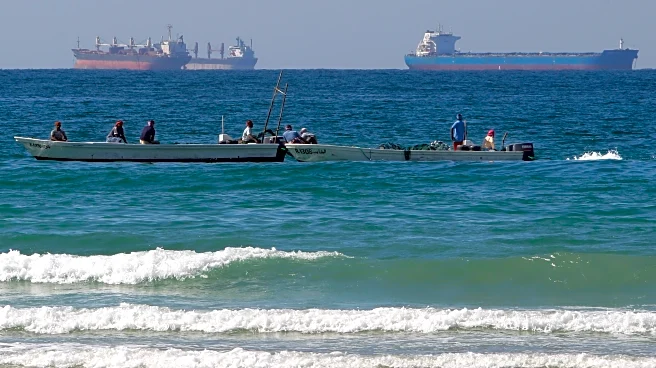
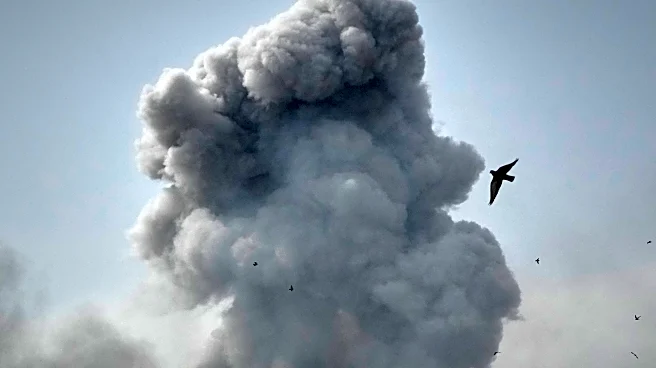
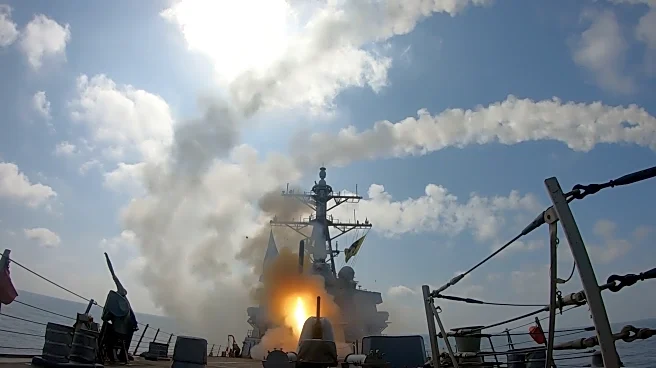
The recent military conflict initiated by Israel, with the support of the United States, against Iran has raised significant concerns about global oil supply and economic stability. The attack has led to a halt in oil shipments through the Strait of Hormuz,
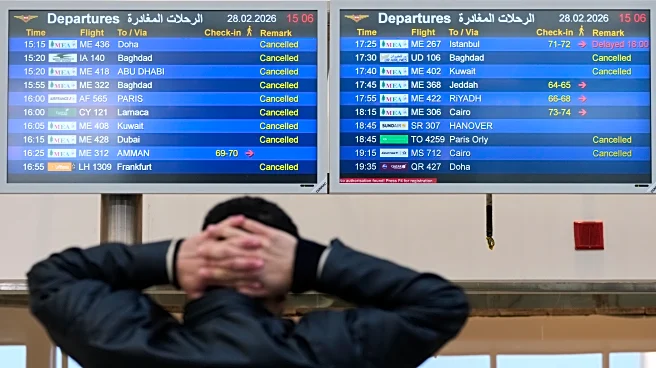
a critical passage for Middle Eastern oil exports. This disruption has already caused a $10 increase in oil prices per barrel, which is expected to add approximately 25 cents to the price of a gallon of gasoline. The conflict has also highlighted the vulnerability of the global economy to disruptions in the Middle East, a region that remains a crucial node in the global financial system. Despite the rise in U.S. oil production due to fracking, the world economy still heavily relies on Middle Eastern oil.
Why It's Important?
The conflict's impact on oil prices could have broader economic implications, potentially leading to increased costs for consumers and businesses. While the U.S. economy is less dependent on oil than in the past, a sustained increase in oil prices could still affect economic growth and inflation. Additionally, the conflict poses risks to financial stability, with concerns about potential disruptions in the global financial system. The Middle East's role as a financial hub, particularly in cities like Dubai, could be affected, further impacting global economic dynamics. The situation underscores the interconnectedness of global markets and the potential for regional conflicts to have far-reaching economic consequences.
What's Next?
The ongoing conflict may lead to further volatility in oil prices and financial markets. Stakeholders, including governments and businesses, will need to monitor the situation closely and prepare for potential disruptions. The U.S. and its allies may face diplomatic challenges in managing the conflict and its economic fallout. Additionally, there may be increased scrutiny on energy policies and efforts to reduce dependence on Middle Eastern oil. The situation could also prompt discussions on the need for strategic planning and crisis management to mitigate the impact of such conflicts on the global economy.
Beyond the Headlines
The conflict raises ethical and strategic questions about military interventions and their long-term consequences. The lack of a clear plan for post-conflict stabilization in Iran could lead to prolonged instability in the region. The situation also highlights the importance of international cooperation in addressing global challenges, such as energy security and economic stability. The potential for market bubbles and financial crises adds another layer of complexity to the global economic landscape, emphasizing the need for robust regulatory frameworks and risk management strategies.